Largest Drop in Two and a Half Years
In September 2025, U.S. private payrolls decreased by 32,000 jobs, marking the sharpest decline in over two and a half years, according to the ADP National Employment Report. This unexpected downturn came amid slowing business momentum, tighter credit conditions, and mounting uncertainty over fiscal and trade policy decisions.
Economists view the drop as a potential warning sign that the labor market’s resilience may be waning. Although the ADP report can be volatile, the timing is concerning, especially since the government shutdown has delayed key data from the U.S. Labor Department.
Small and Medium Businesses Hit Hardest
The job cuts were concentrated among small and mid-sized firms, which often struggle to absorb shocks like rising input costs, weaker demand, and shifting regulations.
- Small businesses shed the most jobs, particularly in construction, manufacturing, and hospitality.
- Large corporations, by contrast, managed to add positions, but their growth was not enough to offset the broader losses across the economy.
Sector performance was uneven:
- Education, health services, and information technology saw modest job gains.
- Manufacturing and leisure recorded steep drops, reflecting reduced orders and cautious consumer spending.
Shutdown Disrupts Labor Data
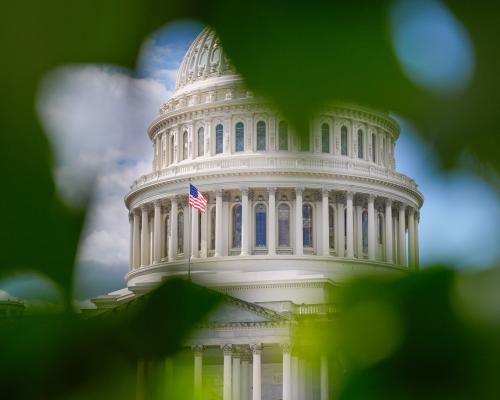
Normally, the Labor Department’s monthly employment report provides a detailed view of job creation and unemployment. However, with the federal government shut down, that critical release has been suspended, leaving policymakers and investors in the dark.
The absence of official data forces markets to rely on private trackers like ADP, despite their limitations. Economists note that ADP data can diverge significantly from government statistics due to differences in methodology and sample size.
Implications for Policy and Growth
The decline raises questions about income growth, confidence, and consumer spending. If businesses grow more cautious in hiring, households could experience stagnant wages, limiting discretionary spending — a key driver of U.S. GDP.
Weakening job creation may also signal that economic momentum is slowing. Combined with trade uncertainties and delayed fiscal support, this could pressure the Federal Reserve to adjust its monetary policy stance in the coming months.
Policy and Trade Uncertainty
One of the main forces behind the slowdown is policy uncertainty. Businesses face tariff disputes, shifting tax incentives, and ambiguous trade rules, all of which discourage long-term hiring commitments.
- Companies are delaying expansion plans.
- Capital investments have slowed.
- Some firms are hoarding cash instead of adding workers.
Analysts from Vanguard and Reuters suggest that prolonged uncertainty could reduce hiring intentions across multiple sectors, particularly export-oriented industries.
Automation and Labor Supply Pressures
Another factor is the growing use of automation and artificial intelligence. According to a recent Axios analysis, more firms are replacing routine roles with AI-driven systems to cut costs. This trend is reducing demand for lower-skilled positions and reshaping labor needs toward specialized technical jobs.
At the same time, immigration policies and border restrictions have tightened the labor supply in key sectors like agriculture, logistics, and food services. Reuters reports that employers are struggling to fill certain positions, further distorting labor market dynamics.
Cooling Market May Ease Inflation
Some economists interpret the decline as a necessary cooling after several years of tight labor conditions. A slightly weaker jobs market could help reduce inflation pressures, allowing wage growth to stabilize and giving the Federal Reserve more flexibility in its rate-setting decisions.
However, the trade-off is delicate: if hiring slows too quickly, it could undermine consumer demand, leading to weaker overall economic growth. The Fed must carefully balance these competing forces to avoid tipping the economy into recession.
Shutdown Adds a Layer of Risk
The ongoing government shutdown compounds the uncertainty. With agencies like the Bureau of Labor Statistics and the Census Bureau unable to release data, the Federal Reserve lacks real-time information on inflation, jobless claims, and consumer confidence.
This data blackout may cause policy missteps, as officials make decisions with limited visibility. S&P Global warns that such blind spots can amplify volatility in financial markets and delay appropriate responses to economic weakness.
Market Reactions and Fed Expectations
Financial markets have responded cautiously. Stocks remain stable but investor sentiment is fragile. Bond yields have edged lower on expectations that the Federal Reserve could cut interest rates later in the year to cushion the slowdown.
Deloitte analysts forecast at least one rate cut by December if private hiring continues to falter. Lower rates could support borrowing and investment, but their effectiveness may be muted if business confidence remains weak.
Outlook: A Crossroads for the U.S. Economy
The September jobs data highlight a turning point for the U.S. labor market. While one weak month doesn’t confirm a trend, the combination of policy uncertainty, automation, and data disruption paints a cautious picture for the rest of 2025.
If upcoming indicators show continued weakness, the U.S. may be entering a phase of slower growth, even as inflation pressures ease. Conversely, if the government reopens soon and confidence rebounds, hiring could stabilize before year-end.
Either way, the next few months will be pivotal in determining whether this payroll decline is a temporary setback or the beginning of a deeper slowdown in the American economy.