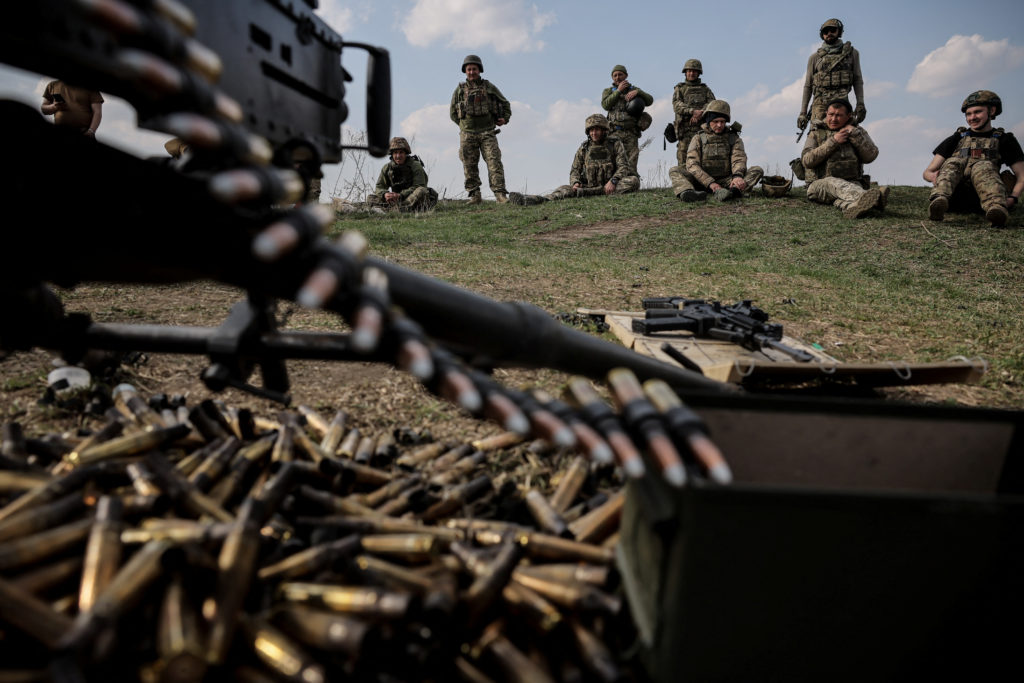
On October 15, 2025, U.S. Defense Secretary Pete Hegseth made headlines by declaring that “firepower” was coming to Ukraine. He urged NATO allies to increase their defense spending and purchase U.S. weapons to support Kyiv in its conflict with Russia.
During remarks at NATO headquarters in Brussels, Hegseth stressed that peace comes from strength (“You get peace when you are strong”), not just from rhetoric or diplomacy. He underscored that European nations must step up under the Prioritized Ukraine Requirements List (PURL), which now places the burden on allies to fund U.S. weapons deliveries rather than depending exclusively on direct U.S. aid.
Hegseth also warned that if Russia continues its aggression, the U.S. and its partners would “impose costs” on Moscow. He did not specify exactly what actions those costs might include, but his remarks marked a more aggressive posture than earlier in his tenure.
Strategic Shifts & Policy Changes
From Donations to Purchases
One of the key changes Hegseth advocates is shifting away from U.S. direct weapons donations. Instead, NATO allies are being asked to buy U.S. arms via PURL. This model creates a demand-driven mechanism: allies that purchase more, supply more to Ukraine.
So far, about $2 billion in pledges have been made under PURL—still short of Ukrainian President Volodymyr Zelensky’s goal of $3.5 billion. Some countries like Sweden, Estonia, and Finland have committed further, but others (Spain, France, UK, Italy) faced criticism for holding back.
This change forces allies to shoulder more of the logistics and financial burden. In effect, it turns what was once U.S. aid into an allied procurement challenge.
Harder Line on Russia
Hegseth’s comments also marked a shift in tone: the United States now openly signals readiness to respond more forcefully if the conflict continues unchecked. His warning that costs would be imposed if Russia doesn’t relent signals increased pressure.
He framed the move as one of necessity: as military support from some donors dwindles (a 43% drop in support in July–August was reported by the Kiel Institute), Hegseth sees an urgency to shore up Ukraine’s defenses.
European Responsibility
A recurring theme in Hegseth’s remarks is that Europe must lead in financing and supplying Ukraine’s military needs. He suggested the U.S. cannot do it alone and that the burden must now shift more to European NATO members.
Previously, Hegseth had said that returning Ukraine to its pre-2014 borders was “unrealistic,” emphasizing instead a more pragmatic, security-focused approach to the conflict.
Reactions, Risks & Challenges
Criticism & Skepticism
Some analysts have criticized the shift, saying it may favor U.S. arms exporters over European defense autonomy. Others worry the burden might be too heavy for mid-sized European states with budget constraints.
There’s also uncertainty about how reliably allies can scale up procurement and what kinds of weapons they will prioritize. The pace and scale of deliveries could become a bottleneck.
Risk of Escalation
By openly threatening “costs on Russia,” officials risk pushing Moscow toward retaliation or escalation—especially if advanced weapons (like long-range missiles) are involved. The line between deterrence and provocation is delicate.
Moreover, if Ukraine uses such weapons in contested Russian territory, it could draw more direct confrontation, raising the stakes for NATO’s involvement.
Dependency and Supply Chain Vulnerabilities
Relying on allied procurement adds complexity: supply chains, manufacturing capacity, export licenses, logistical delivery—all become critical factors. Breakdowns in any link may delay weapons reaching Ukraine front lines.
Also, allies will need to balance domestic political support, procurement cycles, and national budgets while sustaining pressure on Russia.
Why Hegseth’s Warning Matters
- It signals a shift in U.S. strategy: more emphasis on burden-sharing and leveraging allied purchase power.
- It gives Ukraine hope that support will not taper off entirely.
- It pressures European states to increase defense budgets and show tangible support.
- It raises the stakes in the conflict—public messaging now frames Ukraine’s survival as dependent on the flow of real weaponry, not rhetoric.
Broader Context & Historical Trends
- The pivot to PURL echoes earlier moves to reduce direct U.S. military aid in favor of alliances purchasing capabilities.
- It highlights stresses in U.S. stockpiles and political will for unilateral aid.
- Historically, conflicts have turned when arms supply is cut; Ukraine’s ability to defend now depends heavily on sustained deliveries and modernization efforts.
What Comes Next: Scenarios & What to Watch
1. Surge in Allied Procurement
If European NATO countries accelerate weapons buying and deliveries, Ukraine may receive a fresh wave of firepower—artillery, missiles, drones, air defense systems.
2. Gradual Decline in Support
If political fatigue or budget constraints slow procurement, the “firepower” promise may ring hollow, leaving Ukraine vulnerable to counterattacks.
3. Escalated Confrontation
In response to threats, Russia might escalate its own attacks or target delivery corridors, trying to disrupt supply lines or provoke NATO.
4. Diplomatic Response
Some European states may push for more negotiation to reduce conflict, especially if facing domestic pressure. Their willingness to support sustained aid will be tested.
5. Weapons Use & Strategy
The nature of weapon batches (long-range missiles, air defense, drones) will shape battlefield tactics. How Ukraine uses them—and whether it integrates new systems effectively—will determine the impact.
Conclusion
Pete Hegseth’s statement that “firepower is coming for Ukraine” represents more than rhetoric—it signals a shift in the U.S. and NATO’s role in the conflict. By pushing allies to fund U.S. weapons, embracing a harder posture versus Russia, and warning of consequences for continued aggression, Hegseth seeks to keep Ukraine’s military edge alive.
However, executing that vision depends on European follow-through, timely logistics, and strategic discipline by Ukraine’s armed forces. The coming weeks and months will test whether the promise of renewed firepower becomes a reality—or a missed opportunity in an increasingly brutal war.