What Happened
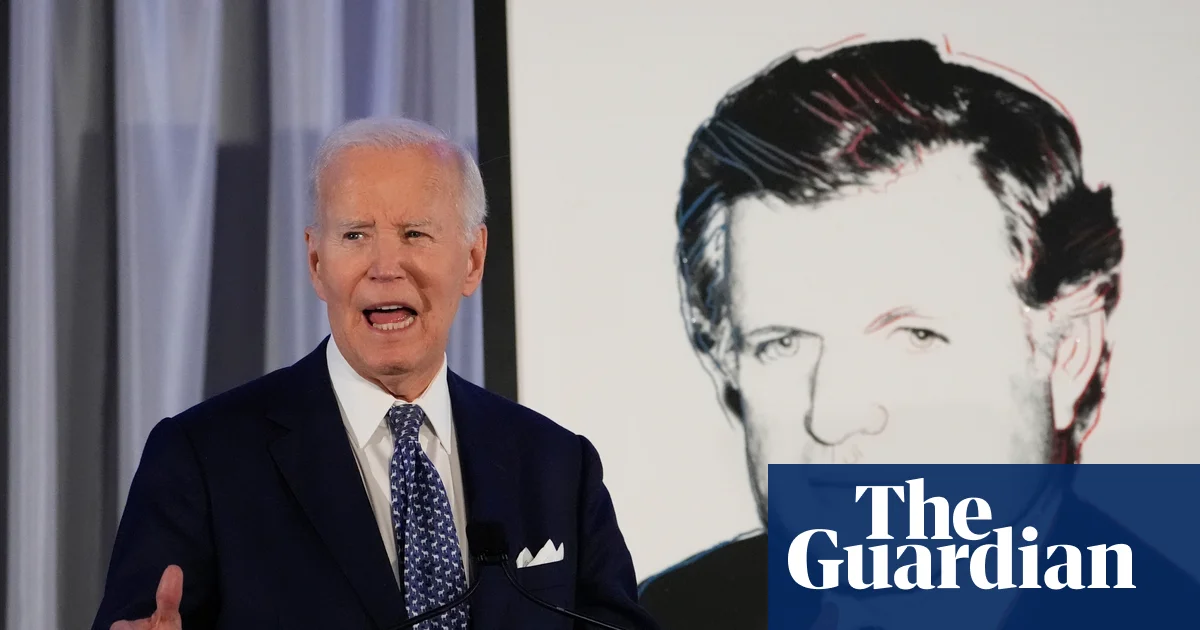
Former President Biden, aged 82, took to the podium in Boston on 27 October 2025 to deliver his most pointed public remarks since completing radiation therapy for prostate cancer. He was receiving the Lifetime Achievement Award at the Edward M. Kennedy Institute when he used the occasion to issue a critique of the current administration and a clarion call to the nation.
In his address, Biden used direct language, saying: “Friends, I can’t sugar-coat any of this. These are dark days.” He framed the moment as more than political jockeying. Instead, he positioned it as a broader threat to America’s democratic compass, citing actions under Trump’s presidency that he said eroded free speech, weakened the judiciary, and threatened the balance of power.
Though the speech was critical, Biden leaned into optimism. He told the audience that the country could “emerge … stronger, wiser and more resilient, more just, so long as we keep the faith.” He stressed that Americans must not disengage or simply “check out.” Instead, he urged active engagement and resilience.
Key Themes
Democracy, Checks & Balances
Biden underscored that American governance depends on three co-equal branches: a limited presidency, a robust Congress, and an independent judiciary. He argued that the current political climate under Trump has upended this balance. For example, he pointed to the prolonged federal government shutdown, which he said the president used as a tool to expand executive power.
Assaults on Free Speech and Civil Institutions
He drew attention to what he called growing threats to free speech. He praised late-night comedians, universities, and federal employees who resisted pressure from the administration. His point: even cultural institutions are under threat. “The late-night hosts continue to shine a light on free speech knowing their careers are on the line,” Biden said.
Call to Action and Hope
Rather than just sounding alarms, Biden aimed to rally. He framed the situation as a “push and pull, an existential struggle between peril and possibility.” He said America has repeatedly emerged strengthened from crisis and urged citizens to keep the faith. He ended with a motivational line: “Get back up.”
Context & Significance
A Post-Presidency Moment
This was Biden’s first major public speech since his cancer diagnosis and treatment. That context added weight to his remarks and signalled his willingness to remain engaged in civic discourse despite stepping back from electoral politics.
Political Landscape
The speech comes amidst heightened division in U.S. politics. The Trump administration is facing criticism on multiple fronts — including immigration, budget stalemates, and debates over civil liberties. The White House dismissed Biden’s remarks, stating the real dark days were under his own tenure.
Symbolic Meaning
By invoking the idea of “dark days,” Biden tapped into a broader narrative of decline and danger — but he coupled it with recovery and resilience. The dual message is designed to mobilize supporters and non-traditional participants alike.
Reactions
From the White House:
White House assistant press secretary Liz Huston responded: “The real ‘dark days’ were under Joe Biden’s failed leadership – when millions of illegal-alien criminals poured into our cities, inflation crushed working families, and men played in women’s sports.”
From political observers:
Some praised the speech for its clarity and urgency. Others criticized it as nostalgic for a past presidency and lacking policy substance. The push and pull mirrored larger debates over how to interpret the Trump era and what form resistance should take.
What to Watch
- Public engagement: Will Biden’s urgent tone translate into increased activism, voter registration or civic mobilisation?
- Media and cultural responses: Late-night shows, news outlets and universities may respond to Biden’s call to protect free speech — will we see new coalitions or activism?
- Policy consequences: Will opposition figures use his arguments to push for legislation that strengthens checks on executive power, protects civil liberties or reforms the judiciary?
- Political strategy: Although Biden is not running again, how this speech influences the broader Democratic strategy and messaging heading toward upcoming elections remains significant.
Why It Matters
First, the address signals that even former presidents intend to remain loud voices in the public sphere. Second, it reflects anxiety within the Democratic-liberal camp about what they see as backsliding in democratic norms. Third, it shows an effort to reframe the moment not just as partisan politics but as a values battle — over free speech, institutional independence and national identity.
Meanwhile, the tone of resilience and hope suggests an attempt to unify disparate elements of the political opposition — from federal employees to comedians, from academics to Republicans who dissent. By invoking real people standing against pressure, Biden broadened his audience beyond the usual political actors.
Challenges and Caveats
- Age and Health: At 82 and recovering from serious cancer, Biden’s ability to maintain visibility and influence remains subject to scrutiny.
- Policy Detail: While the speech was rich in rhetorical force, it provided limited new policy proposals. Some analysts argue that inspiration needs follow-through to translate into change.
- Polarization: In a divided country, dramatic rhetoric can polarize further rather than unite. Some critics view the “dark days” framing as overwrought or partisan.
- Activism vs. Structure: Energising activists is one thing; changing institutions is another. Whether Biden’s message catalyses structural reform remains uncertain.
Conclusion
Former President Joe Biden’s latest speech serves as both a warning and a rallying cry. He warned that America is in “dark days” under President Trump — citing threats to free speech, government shutdowns and executive overreach. Yet he also urged courage, participation and optimism.
His central message: democracy is under pressure, but it is not lost. The challenge is to stay engaged, defend institutions and refuse to succumb to despair. Whether Americans heed that call, and whether the institutions of democracy respond, will influence how the coming months and years unfold.
In a moment of deep uncertainty, Biden aimed to remind a nation of its capacity to renew itself. As he put it: “Since its founding, America served as a beacon for the most powerful idea ever in government … We’re more powerful than any dictator.”
That belief underpins the optimism he urged. For now, the question is whether that optimism turns into action.