As the war in Ukraine grinds on into its fifth year, one of the most pressing strategic questions facing Moscow is no longer only about weapons, ammunition, or sanctions—but people. By 2026, Russia’s need for manpower has become one of the central constraints on its ability to sustain large-scale military operations in Ukraine. Casualties, rotations, and the demands of holding long frontlines have steadily eroded Russia’s available pool of trained soldiers.
This raises a critical question: where will Russia find the men it needs to continue fighting in Ukraine in 2026?
The answer lies in a complex mix of mobilization policies, demographic realities, economic trade-offs, political risk, and unconventional recruitment strategies. Together, they reveal both Russia’s remaining options and the growing limits of its war effort.
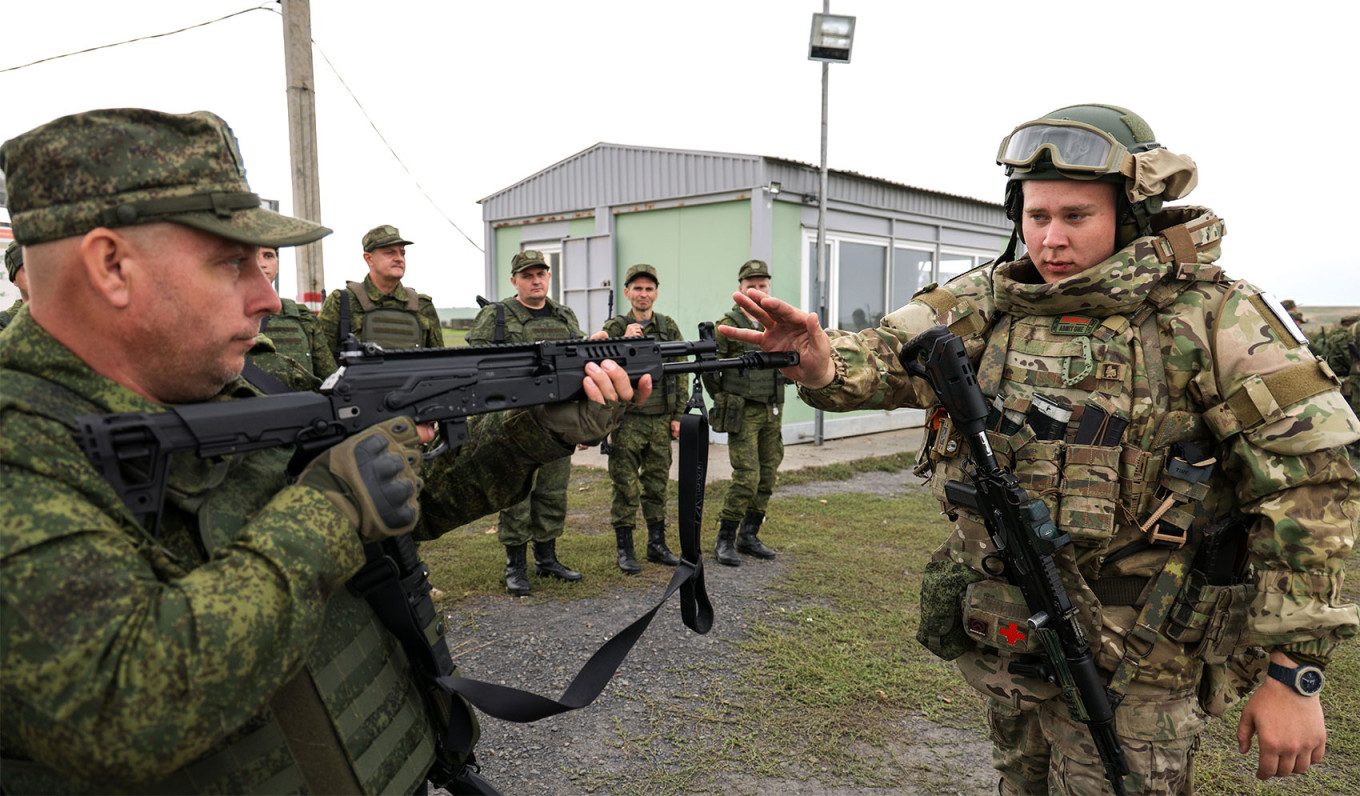
The Scale of Russia’s Manpower Challenge
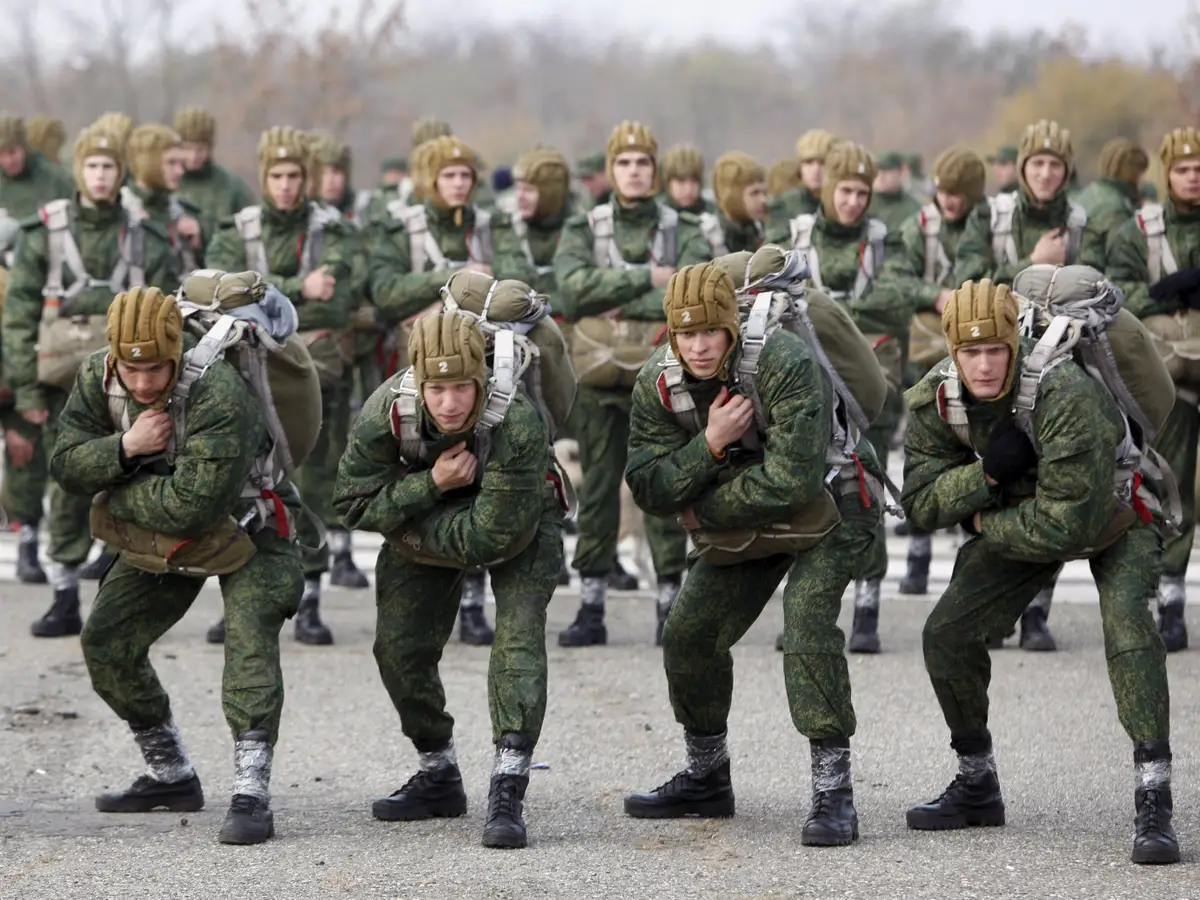
Since the full-scale invasion began in 2022, Russia has relied on multiple sources of manpower: contract soldiers, mobilized reservists, volunteers, private military formations, and prisoners. While this approach allowed the Kremlin to avoid a full national mobilization, it has come at a high human cost.
By 2026, Russia faces three overlapping pressures. First, sustained casualties have reduced the pool of experienced troops. Second, long deployments have strained morale and readiness. Third, maintaining control over occupied territories requires significant manpower even when major offensives slow.
Holding territory, rotating exhausted units, and preparing for future operations all require fresh personnel. This makes manpower not just a tactical issue, but a strategic one.
Partial Mobilization Remains the Core Tool
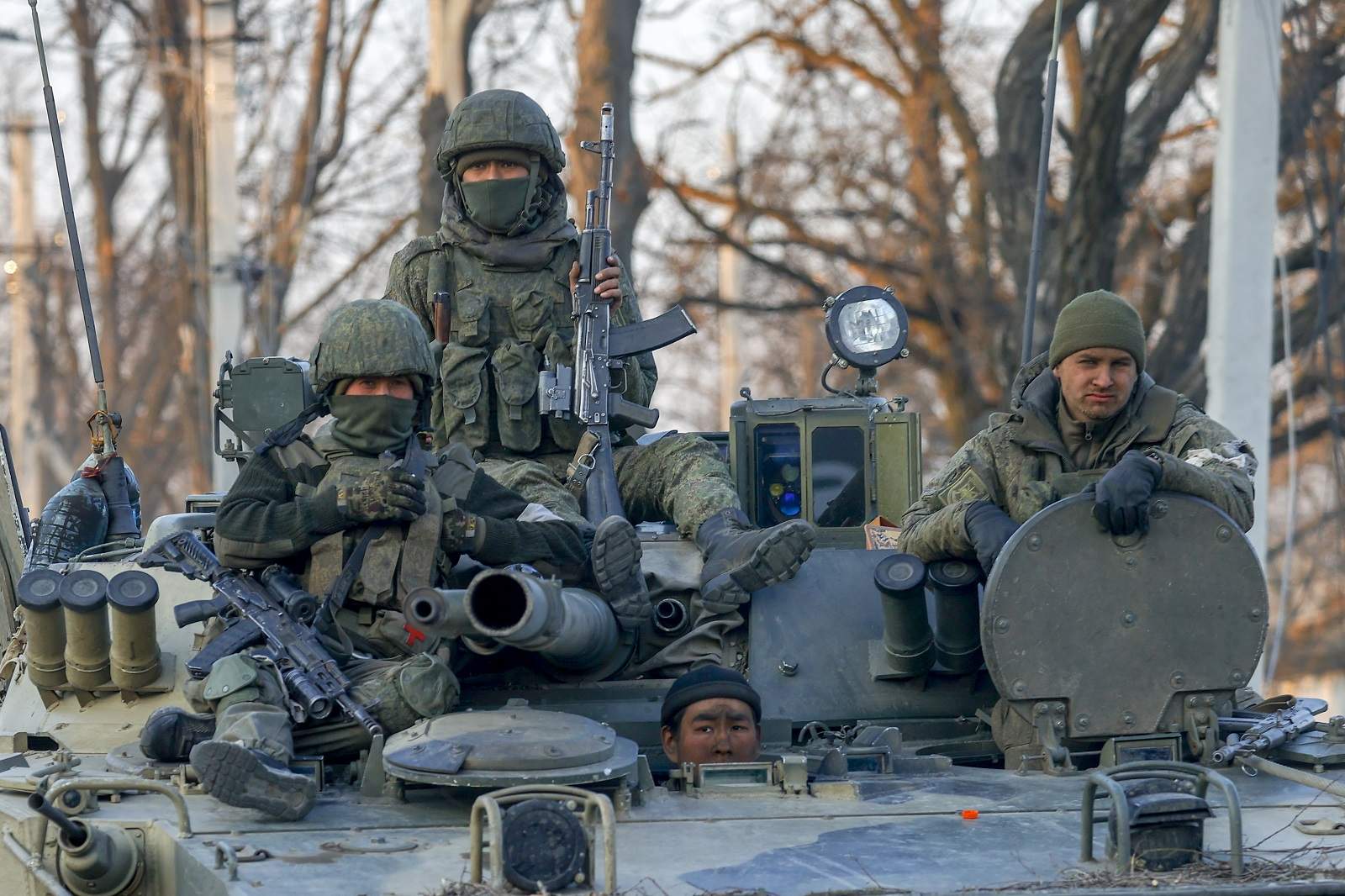
The most direct source of manpower remains mobilization. Russia’s partial mobilization in 2022 demonstrated that the state can rapidly generate large numbers of troops when needed. However, it also exposed political and social risks, including public anxiety, emigration, and economic disruption.
By 2026, the Kremlin is likely to rely on quiet, rolling mobilization rather than a single dramatic announcement. Regional quotas, selective call-ups, and bureaucratic pressure allow authorities to bring in tens of thousands of men without triggering nationwide unrest.
This approach spreads the burden unevenly. Rural regions, economically weaker areas, and ethnic minority republics are disproportionately affected, while major urban centers are largely shielded. While effective in the short term, this strategy deepens internal inequalities and long-term resentment.
Contract Soldiers and Financial Incentives
Another major source of manpower is contract soldiers. Russia has significantly increased signing bonuses, salaries, and benefits for military service. In some regions, enlistment bonuses rival several years of average income.
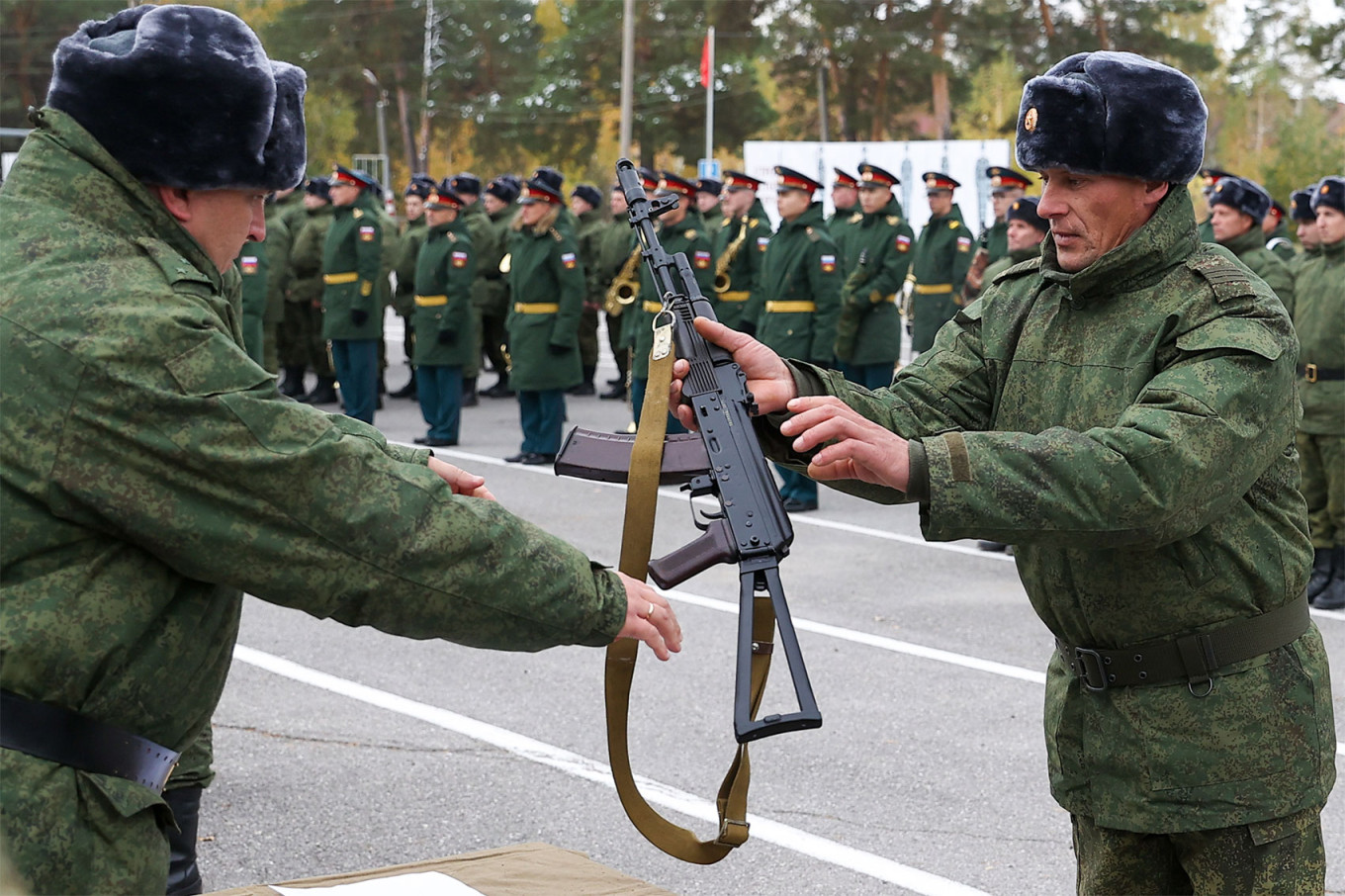
For men facing limited economic opportunities, military service offers financial security, social status, and benefits for families. This model transforms the war into a labor market, where poverty and inequality drive recruitment.
However, this approach has limits. As inflation rises and the war drags on, the cost of maintaining these incentives grows. At the same time, reports of casualties and harsh conditions reduce the appeal of contracts, forcing the state to offer ever-higher compensation.
Prison Recruitment and Penal Battalions
One of the most controversial manpower sources has been prisons. Early in the war, large numbers of inmates were recruited with promises of amnesty after service. While this provided a short-term influx of fighters, it came with serious drawbacks.
By 2026, the pool of willing and suitable prisoners is shrinking. Many have already been recruited, killed, wounded, or released. Others are deemed unfit or unreliable for military service.
Additionally, the social and security costs of returning former prisoners—some with combat experience and trauma—pose long-term risks inside Russia. This makes prison recruitment an increasingly unattractive and limited option.
Demographic Decline Limits the Pool
Russia’s demographic reality is one of the most serious long-term constraints on manpower. The country faces a shrinking working-age population due to low birth rates in the 1990s and early 2000s.
This demographic dip means fewer young men are available for military service each year. By 2026, competition between the military and civilian economy for labor becomes more intense.
The state must choose between sending men to the front or keeping them in factories, transport, energy, and defense production. Every soldier mobilized is one less worker supporting the war economy at home.
Older Reservists and Expanded Age Limits
To compensate for demographic decline, Russia has already raised age limits for reservists and contract soldiers. Men in their 40s and even 50s are increasingly eligible for service.
By 2026, older reservists are likely to play a larger role, especially in defensive, logistical, and rear-area functions. This frees younger troops for frontline roles but raises concerns about physical fitness, training quality, and casualty rates.
Relying on older soldiers also highlights how deeply the war has penetrated Russian society, pulling in generations that would normally be far removed from combat.
Migrants and Non-Citizen Recruitment
Russia hosts millions of migrant workers, primarily from Central Asia. In recent years, authorities have explored ways to recruit or pressure migrants into military service, sometimes offering fast-track citizenship in exchange.
This approach provides manpower while minimizing political backlash among Russian citizens. However, it carries risks, including social tension, questions of loyalty, and diplomatic strain with neighboring countries.
By 2026, migrant recruitment may expand quietly, but it is unlikely to provide the numbers needed to fundamentally solve Russia’s manpower problem.
Automation, Drones, and Manpower Substitution
Facing manpower shortages, Russia is increasingly investing in technologies that reduce reliance on infantry. Drones, long-range artillery, missiles, and automated systems allow Russia to project force with fewer soldiers.
While technology can substitute for manpower in some areas, it cannot fully replace troops needed to hold ground, secure supply lines, and control populations. Even a high-tech war ultimately requires boots on the ground.
Thus, technological adaptation may slow manpower depletion but cannot eliminate the underlying need for people.
Political Limits of Total Mobilization
A full national mobilization remains the most direct solution, but it carries enormous political risk. Large-scale conscription would affect urban middle classes, disrupt the economy, and test public tolerance for the war.
The Kremlin has so far avoided this step, preferring incremental measures that keep the conflict distant from daily life for most citizens. By 2026, this calculus may remain unchanged unless the war reaches a decisive phase.
The leadership’s priority is regime stability. Any manpower strategy that threatens domestic control is likely to be avoided as long as alternatives exist.
The Human Cost Behind the Numbers
Behind every recruitment method lies a human cost. Families lose sons, communities lose workers, and regions bear disproportionate sacrifice. Over time, these losses accumulate into social strain that cannot be fully managed by propaganda or compensation.
The longer the war continues, the harder it becomes to replenish manpower without changing the nature of Russian society itself.
So, Where Will Russia’s Fighters Come From in 2026?
In reality, Russia’s manpower in 2026 will come from everywhere—and nowhere in abundance. Partial mobilization, financial incentives, older reservists, and marginalized groups will continue to supply soldiers, but none offer a decisive solution.
This fragmented approach reflects the broader reality of the war: Russia can sustain the fight, but at growing economic, demographic, and social cost.
Manpower will not run out overnight. But it will become increasingly expensive, politically sensitive, and strategically limiting. In that sense, Russia’s need for men in 2026 is not just a military problem—it is a sign of the deeper strain imposed by a prolonged war with no clear end in sight.