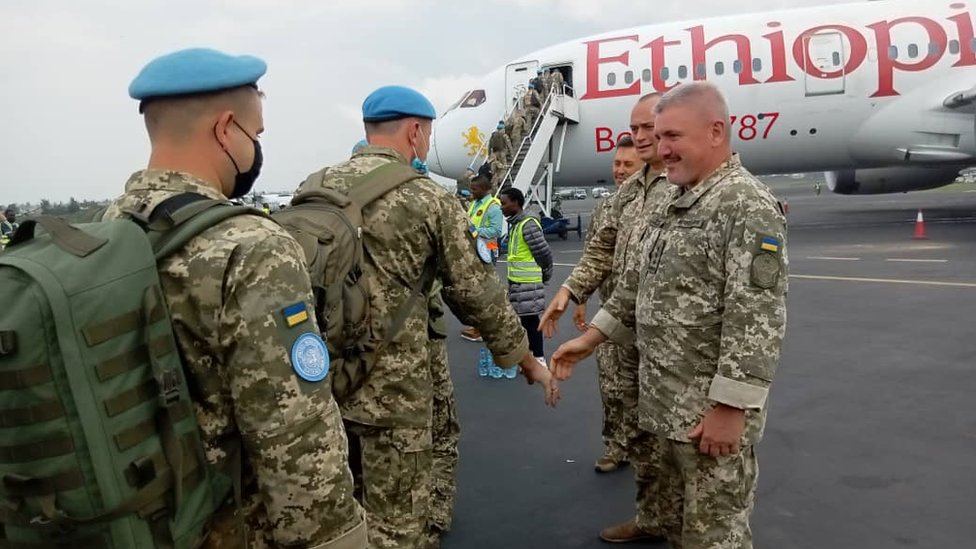
The United Kingdom and France have agreed in principle to deploy troops to Ukraine if a future peace deal with Russia is reached, signaling a significant shift in Europe’s approach to post-war security on the continent. The proposed deployment would not be a combat mission, but a stabilisation and reassurance force designed to help uphold a ceasefire, support Ukrainian sovereignty, and deter renewed aggression.
The announcement reflects growing recognition among European powers that any peace agreement ending the Russia-Ukraine war will require credible security guarantees. Without them, many Western leaders fear that a ceasefire could collapse, leaving Ukraine vulnerable and Europe facing renewed instability.
A Conditional, Post-Peace Deployment
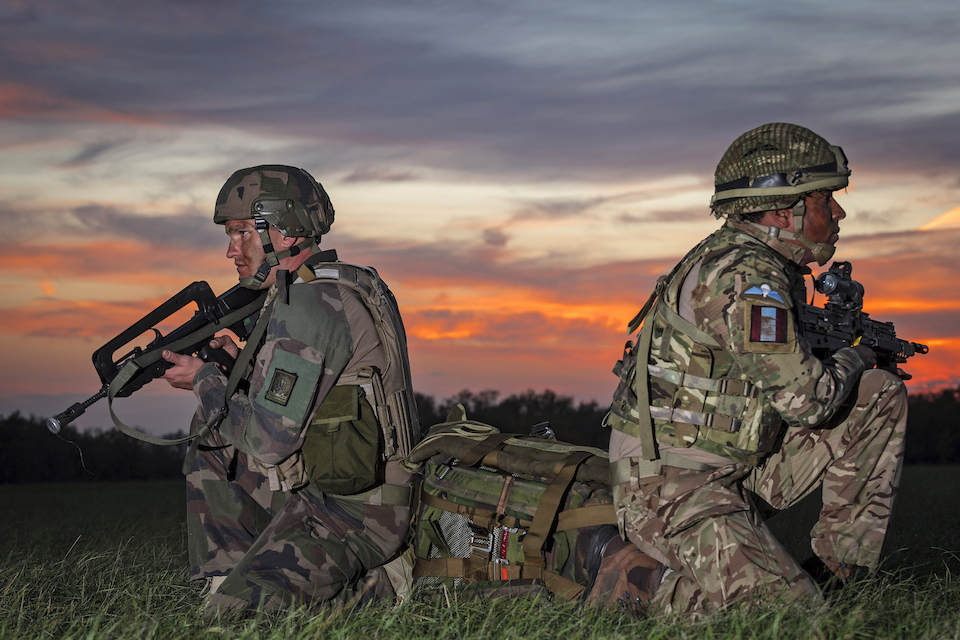
Officials in United Kingdom and France have emphasized that the troop deployment would only occur after a formally negotiated peace agreement between Ukraine and Russia. The force would be invited by Kyiv and operate with a clear legal mandate, potentially supported by international frameworks or bilateral security arrangements.
Unlike current military assistance, which focuses on weapons, training, and intelligence support, this mission would shift toward peace enforcement and deterrence. Its primary objectives would include monitoring ceasefire lines, protecting critical infrastructure, and reassuring the Ukrainian population and investors that peace is durable.
Both governments have been careful to stress that this would not constitute NATO combat operations inside Ukraine, but rather a European-led mission aligned with broader international efforts to secure long-term stability.
Why the UK and France Are Leading
The UK and France are uniquely positioned to lead such an initiative. They are Europe’s two nuclear-armed states, permanent members of the UN Security Council, and among Ukraine’s strongest military backers since the start of the war.
London has consistently advocated a hard line against Russian aggression, framing the war as a defining moment for European security. Paris, while initially more cautious, has increasingly aligned with this view, arguing that peace without enforcement mechanisms risks becoming an invitation for future conflict.
Their joint stance sends a message that Europe is prepared to take greater responsibility for its own security, rather than relying entirely on the United States. This is particularly important amid uncertainty over long-term US political dynamics and future military commitments.
What the Troop Deployment Would Look Like
According to officials familiar with the discussions, the proposed deployment would likely involve several thousand troops, drawn primarily from UK and French forces, with possible contributions from other willing European partners.
The mission would focus on non-frontline roles. Troops could be stationed away from active borders, tasked with logistics support, airspace monitoring, training, and coordination with Ukrainian forces. The aim would be deterrence through presence rather than direct confrontation.
Rules of engagement would be tightly defined, prioritising force protection and defensive action. Any escalation involving Russian forces would be handled through diplomatic and international channels, rather than unilateral military action.
Security Guarantees Beyond NATO Membership
One of the central challenges in ending the war has been Ukraine’s demand for meaningful security guarantees. Full NATO membership remains politically sensitive and contested, particularly during or immediately after an active conflict.
The UK–France troop proposal is widely seen as an interim solution. It would provide Ukraine with tangible security backing without triggering automatic collective defence obligations under NATO’s Article 5.
This approach reflects a growing consensus among European policymakers that creative, layered security arrangements may be necessary. These could include bilateral defence treaties, long-term military assistance, and forward deployment of European forces under agreed conditions.
Russia’s Likely Reaction
Moscow has repeatedly warned against Western troops operating in Ukraine, even under peacekeeping or stabilisation mandates. Russian officials are likely to view any European deployment as a strategic setback and a limitation on Russia’s ability to exert influence in post-war Ukraine.
However, analysts note that Russia’s tolerance for such arrangements may increase if they are part of a broader peace settlement that freezes frontlines and delivers sanctions relief or other concessions.
Much will depend on how the deployment is framed. A multinational force operating with Ukrainian consent and international legitimacy may be harder for Moscow to oppose outright without undermining its own claims of seeking peace.
Implications for European Security
The proposal marks a broader shift in Europe’s defence posture. For decades, peacekeeping on the continent was considered unnecessary, with NATO expansion seen as sufficient to guarantee stability. The war in Ukraine has upended those assumptions.
A UK–France-led force would set a precedent for European military engagement outside NATO’s traditional frameworks, potentially paving the way for future EU or coalition-based security missions.
It also reinforces the idea that Europe must be prepared to deter aggression not only through economic sanctions and diplomacy, but through physical presence when required.
Domestic Political Considerations
Sending troops abroad, even in a non-combat role, carries political risks at home. In both the UK and France, leaders must balance public concern over escalation with the desire to prevent another major European war.
Officials have sought to reassure voters that the mission would only occur after active fighting ends, with clear limits and exit strategies. Parliamentary oversight and international coordination are expected to play key roles in maintaining public support.
The framing of the mission as peace enforcement rather than warfighting is central to its domestic viability.
How Ukraine Views the Agreement
For Kyiv, the proposal represents a significant diplomatic win. Ukrainian leaders have long argued that any peace deal without external guarantees would merely postpone further aggression.
A visible European military presence would strengthen Ukraine’s negotiating position, reduce fears of abandonment, and support long-term reconstruction efforts. Investors and international institutions are more likely to commit resources if security risks are visibly managed.
Ukraine has indicated that it prefers guarantees involving boots on the ground rather than abstract assurances, making the UK–France proposal particularly attractive.
What Happens Next
The agreement remains conditional and subject to further negotiation. Detailed planning, legal frameworks, and coordination with allies would be required before any deployment could proceed.
Much depends on whether peace talks between Ukraine and Russia gain momentum. Without a ceasefire or formal agreement, the proposal remains theoretical.
However, its existence alone signals a shift in strategic thinking. European powers are no longer planning only for how the war continues, but for how peace might be secured and defended.
A Turning Point in Europe’s Role
The UK and France’s willingness to commit troops in the event of peace reflects a growing understanding that ending the war is only the first step. Preventing its return may be the greater challenge.
If implemented, the deployment would mark one of the most significant European security initiatives in decades, reshaping how peace is maintained on the continent.
While many uncertainties remain, the message is clear: Europe is preparing for a future in which peace in Ukraine must be actively protected, not passively hoped for.