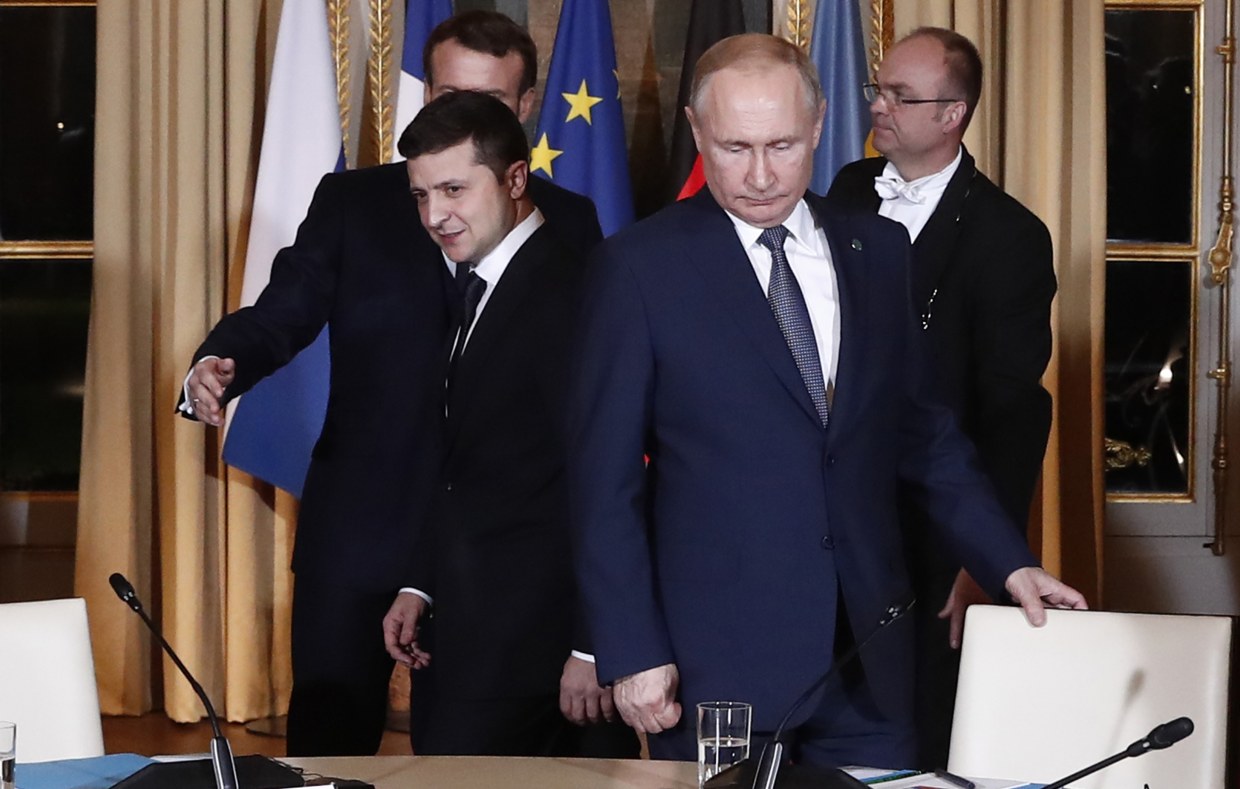
The war between Russia and Ukraine has become one of the most consequential conflicts of the 21st century. What began in February 2022 as a large-scale invasion has evolved into a prolonged, grinding war with global implications for security, energy markets, geopolitics, and international law. As the conflict stretches into its fourth year, a pressing question dominates diplomatic circles, military analysts, and public debate: will the Russia-Ukraine war end in 2026?
There is no simple answer. The outcome depends on military dynamics, political will, economic pressure, and international involvement. However, by examining current trends and expert assessments, it is possible to outline the most realistic scenarios for how 2026 could shape the conflict’s future.
The Current State of the War
By 2025, the war has settled into a phase characterized by attrition rather than rapid territorial shifts. Frontlines have hardened, with intense fighting concentrated in eastern and southern Ukraine. Both sides continue to launch missile and drone strikes deep into each other’s territory, targeting infrastructure, energy systems, and logistics.
Ukraine remains heavily dependent on Western military, financial, and intelligence support, while mobilizing its own population and industrial capacity. Russia, meanwhile, has adapted its economy to sanctions, expanded defense production, and consolidated control over occupied territories.
This equilibrium has created a war that neither side can easily win outright, but neither is willing to abandon.
Military Factors Shaping 2026
From a military perspective, the likelihood of the war ending in 2026 hinges on whether one side gains a decisive advantage. As of now, neither Russia nor Ukraine has demonstrated the capacity for a rapid, war-ending breakthrough.

Ukraine’s strategy focuses on defending key territory, degrading Russian logistics, and increasing the cost of occupation. Advanced Western weapons systems, intelligence sharing, and training have allowed Ukraine to remain resilient, but manpower constraints and ammunition shortages remain challenges.
Russia, on the other hand, has shifted toward a long-war posture. It relies on numerical superiority, artillery dominance, and sustained pressure along multiple fronts. Moscow appears willing to absorb heavy losses in exchange for incremental territorial gains.
Unless a major technological, strategic, or political shock occurs, most analysts believe the military balance in 2026 will still favor stalemate rather than decisive victory.
Political Will and Leadership Decisions
Wars often end not on the battlefield, but at the negotiating table. Political leadership in both Moscow and Kyiv will play a decisive role in determining whether 2026 becomes a turning point.
For Ukraine, ending the war without restoring sovereignty over occupied territory would be politically explosive. Ukrainian leadership has consistently stated that peace must include territorial integrity and security guarantees. Public opinion strongly supports continued resistance, making concessions difficult.
In Russia, the war has been framed as an existential struggle against the West. Ending the conflict without tangible gains could undermine domestic legitimacy. However, prolonged war also carries risks, including economic strain, demographic pressure, and elite dissatisfaction.
A change in leadership, internal political pressure, or shifts in public sentiment in either country could open space for negotiations, but such changes remain uncertain.
The Role of the West and NATO
The war’s trajectory is inseparable from Western involvement. The United States and European allies continue to provide military aid, financial assistance, and diplomatic backing to Ukraine. At the same time, they seek to avoid direct military confrontation with Russia.
NATO expansion and long-term security commitments to Ukraine remain central points of tension. For Kyiv, Western integration represents protection against future aggression. For Moscow, it is seen as a strategic threat.
If Western support remains strong through 2026, Ukraine is likely to continue fighting. However, fatigue among donor countries, political changes, or economic pressures could reduce assistance, altering Kyiv’s negotiating position.
Economic Pressure and Sanctions
Sanctions were initially expected to cripple Russia’s ability to wage war. While they have caused long-term damage and limited access to technology, Russia has adapted by rerouting trade, increasing domestic production, and deepening ties with non-Western partners.
Ukraine’s economy, meanwhile, relies heavily on external funding. Reconstruction costs continue to rise, and sustaining the war effort places enormous strain on public finances.
By 2026, economic realities may push both sides toward reassessing their options. However, history suggests that sanctions alone rarely force quick conflict resolution unless combined with political shifts.
Possible Scenarios for 2026
Several plausible scenarios could unfold by 2026.
One possibility is a frozen conflict. Active fighting may decrease without a formal peace treaty, leaving frontlines largely unchanged. This outcome would resemble conflicts such as Korea or parts of the post-Soviet space, where war ends without resolution.
Another scenario is a negotiated ceasefire. Under international mediation, both sides might agree to halt hostilities while postponing final territorial settlements. Such an agreement would be fragile but could reduce civilian suffering.
A third scenario involves escalation rather than resolution. Expanded strikes, increased mobilization, or broader regional involvement could prolong the war beyond 2026, especially if one side believes escalation improves its bargaining position.
A full peace settlement by 2026 remains the least likely scenario, as it would require compromises that neither side currently appears ready to make.
International Mediation and Diplomacy
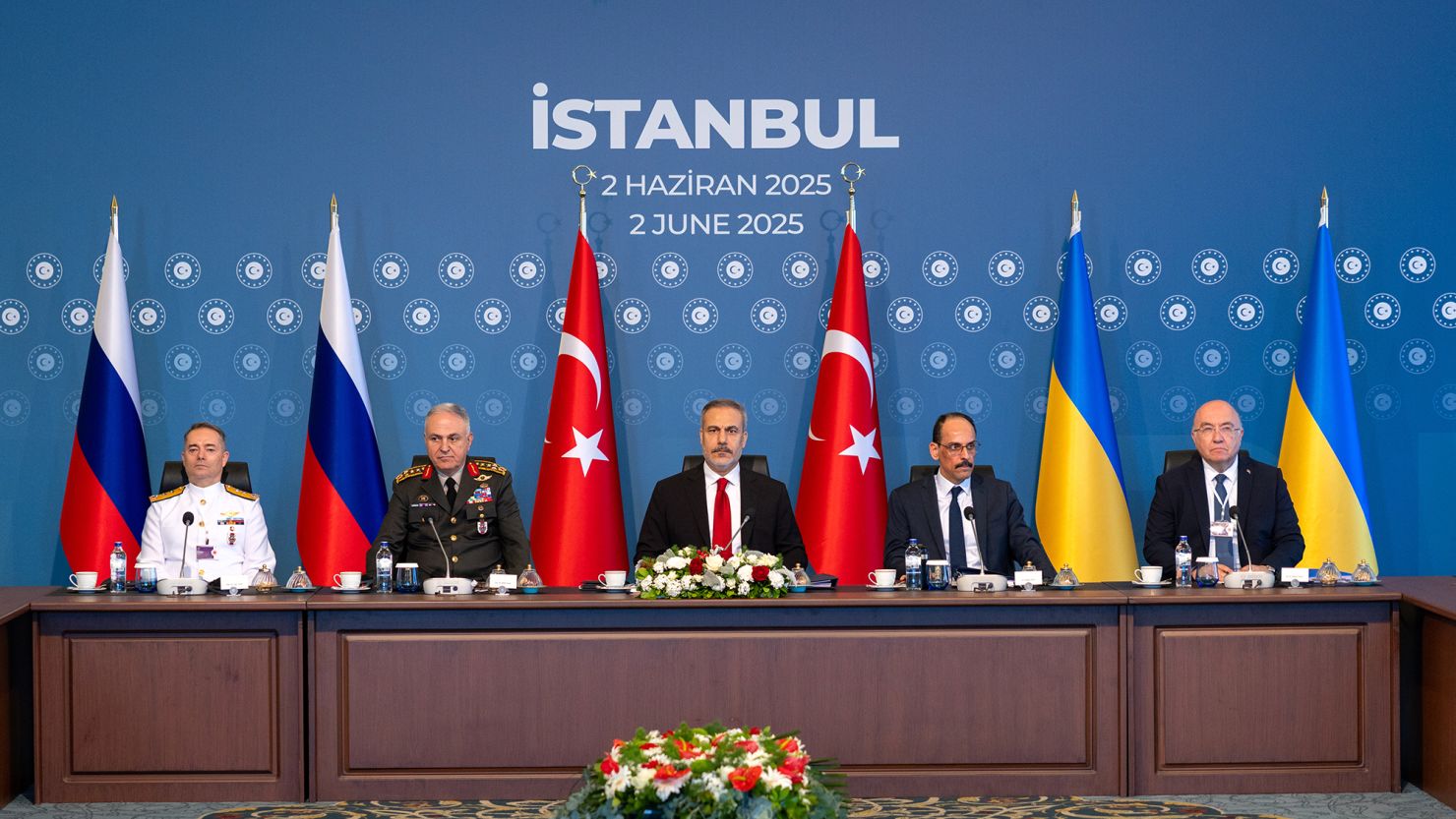
Diplomatic efforts have so far failed to produce lasting results. However, neutral states and global organizations continue to explore mediation options. Countries outside the Western alliance system may play a greater role if both sides seek face-saving exits.
China, Turkey, and other regional powers could influence negotiations, particularly if the war increasingly disrupts global trade and security.
Successful mediation would require security guarantees, reconstruction frameworks, and mechanisms to enforce agreements — all complex issues that take time to resolve.
The Human and Global Cost
Beyond geopolitics, the human cost of the war continues to mount. Millions of Ukrainians remain displaced, infrastructure damage is widespread, and generational trauma is deepening. Russian society also bears the cost through casualties, economic adjustment, and international isolation.
Globally, the war has reshaped energy markets, defense spending, and geopolitical alignments. Its continuation into 2026 would further entrench a divided international system.
So, Will the War End in 2026?
Based on current trends, a complete and final end to the Russia-Ukraine war in 2026 appears unlikely. A reduction in active fighting or a temporary ceasefire is more plausible than a comprehensive peace agreement.
The conflict is driven by incompatible strategic objectives, deep mistrust, and unresolved security questions. Ending it requires not only battlefield developments, but political compromises that neither side is yet prepared to accept.
However, history shows that wars often end unexpectedly. Shifts in leadership, economic shocks, or diplomatic breakthroughs can rapidly change trajectories.
While 2026 may not bring definitive peace, it could mark the beginning of a transition — from full-scale war toward a new, uneasy phase of confrontation, negotiation, or frozen conflict. The ultimate outcome will depend on decisions made not only in Moscow and Kyiv, but also in global capitals shaping the wider balance of power.