Buying a used car in America can be a smart way to save money while still getting reliable transportation. With a thoughtful approach and the right preparations, you can avoid common pitfalls and find a vehicle that fits your needs and budget. This guide provides practical tips, a step‑by‑step checklist, and key insights to make the process smoother and more confident — whether you’re shopping at a dealership, from a private seller, or online.

Why Buy a Used Car
Used cars typically cost less than new ones, allowing buyers to get more value for their money. Lower depreciation — the drop in value that happens as soon as a new car is driven off the lot — is one of the biggest advantages. Additionally, insurance costs and registration fees are usually lower for used vehicles.
However, buying used requires careful research and inspection to make sure you’re investing in a vehicle that’s safe and dependable.
Set Your Budget First
Before you start looking, decide how much you can afford. Think beyond the sticker price — factor in:
- Sales tax and registration
- Insurance costs
- Maintenance or repairs
- Fuel costs
If you’re considering financing, check your credit score and explore loan options. Many lenders offer pre‑approval, which helps you know your budget before visiting dealers.
Research Makes a Big Difference
Research different makes and models that fit your lifestyle. Some cars are known for reliability and low maintenance costs, while others may have higher repair needs. Look at:
- Consumer reviews
- Reliability ratings
- Common issues and recalls
- Fuel efficiency
Websites that provide vehicle ratings and owner reviews can help identify popular choices for used cars that hold their value and provide long‑term satisfaction.
Where to Look for Used Cars
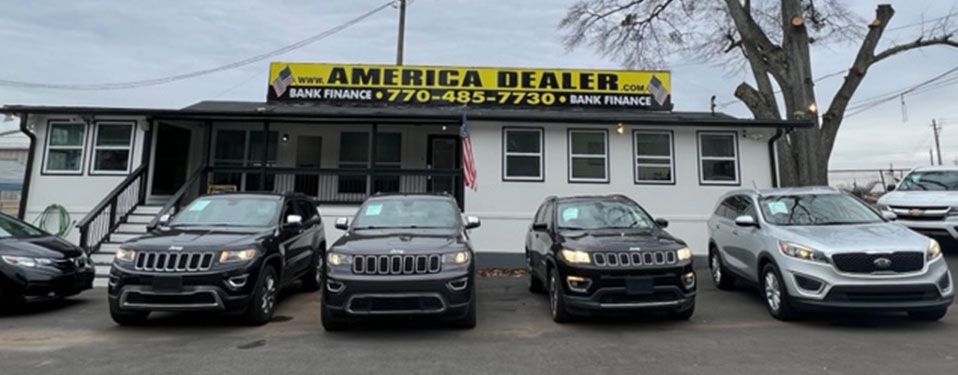
You can find used cars in several places:
Dealerships: Offer certified pre‑owned vehicles and usually provide warranty options. They may be pricier but offer more consumer protections.
Private Sellers: Often lower prices, but fewer protections. Always inspect and test drive carefully.
Online Marketplaces: Websites list thousands of used cars with filters for price, mileage, year, and features. These options make it easy to compare listings.
Inspect the Car Carefully
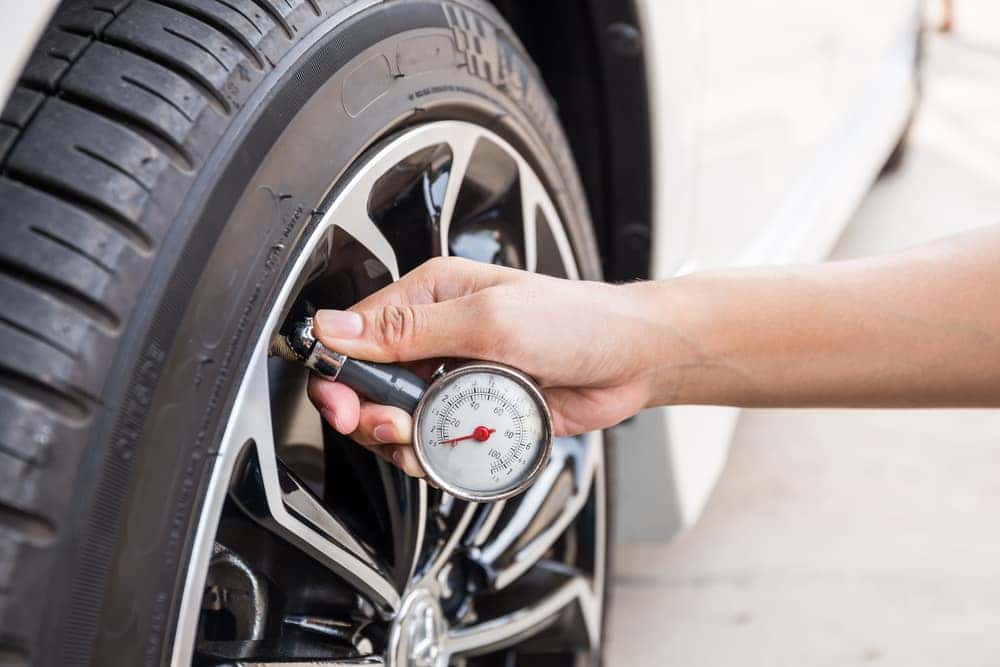
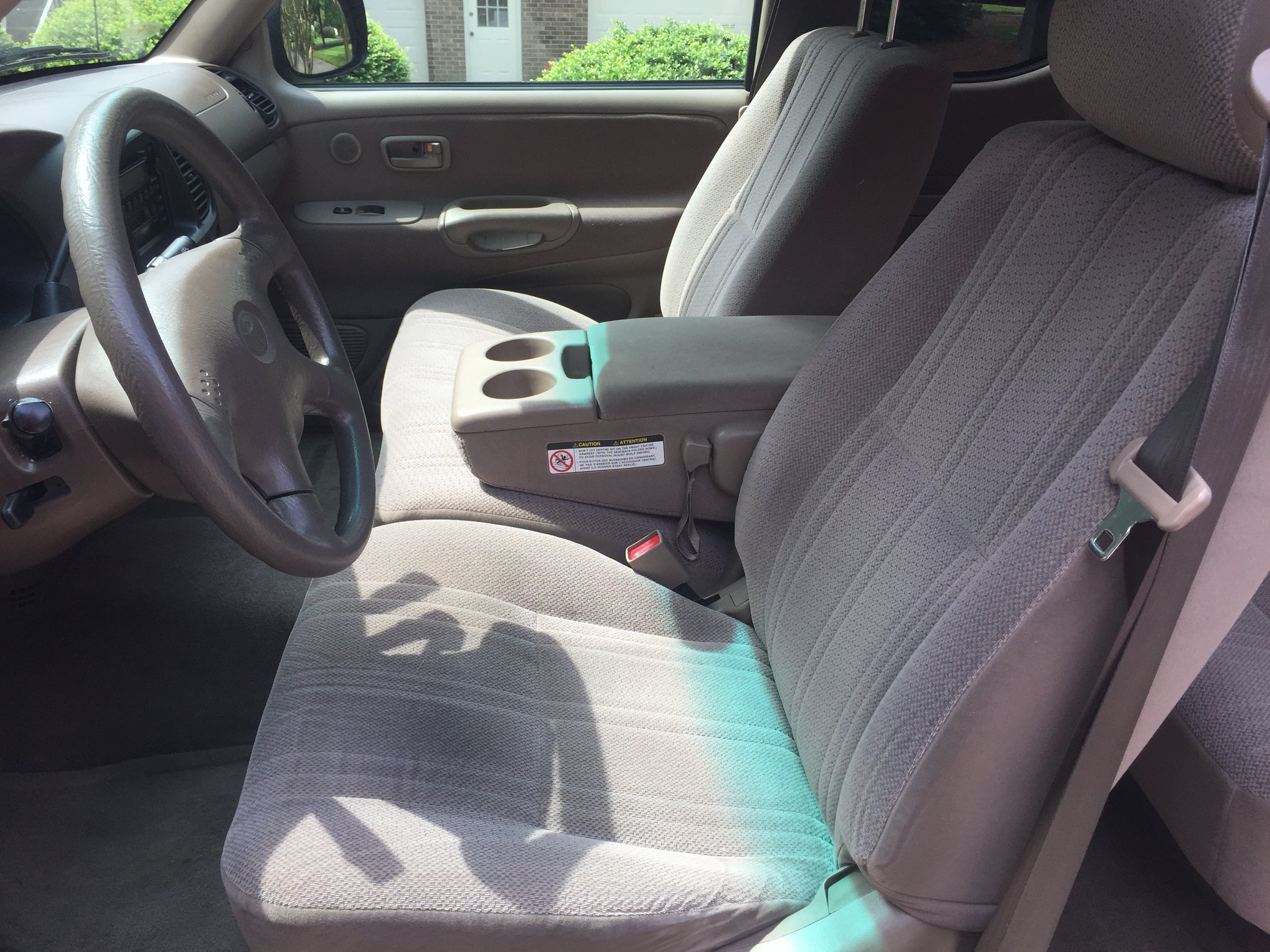
A thorough inspection is one of the most important steps in buying a used car. Use this checklist:
Exterior:
- Check body panels for dents, rust, or uneven paint
- Look for mismatched parts that may indicate accident repairs
- Inspect tires for wear and proper tread depth
Interior:
- Test all electronics (windows, locks, lights, air conditioning)
- Check seats, carpets, and dashboard for damage
Under the Hood:
- Look for leaks, corrosion, or cracked belts
- Check fluid levels (oil, brake fluid, coolant)
Test Drive:
- Listen for unusual noises
- Check brakes and acceleration
- Pay attention to steering responsiveness and alignment
Consider hiring a trusted mechanic for a professional inspection — it’s often worth the cost.
Review the Vehicle History Report
Before agreeing to buy, request a vehicle history report using the car’s VIN (Vehicle Identification Number). This report can reveal:
- Accident history
- Salvage or flood damage
- Title status
- Odometer readings
- Service records (if available)
A clean history report adds confidence, while red flags may signal potential problems.
Negotiate Like a Pro
Price negotiation is expected when buying used. Use your research and inspection results to make a fair offer.
Tips for negotiating:
- Start with a price lower than your maximum budget
- Highlight any issues found during inspection
- Be prepared to walk away if the price isn’t fair
Dealerships may offer financing or add‑on products — such as extended warranties — but understand all terms before agreeing.
Understand Important Paperwork
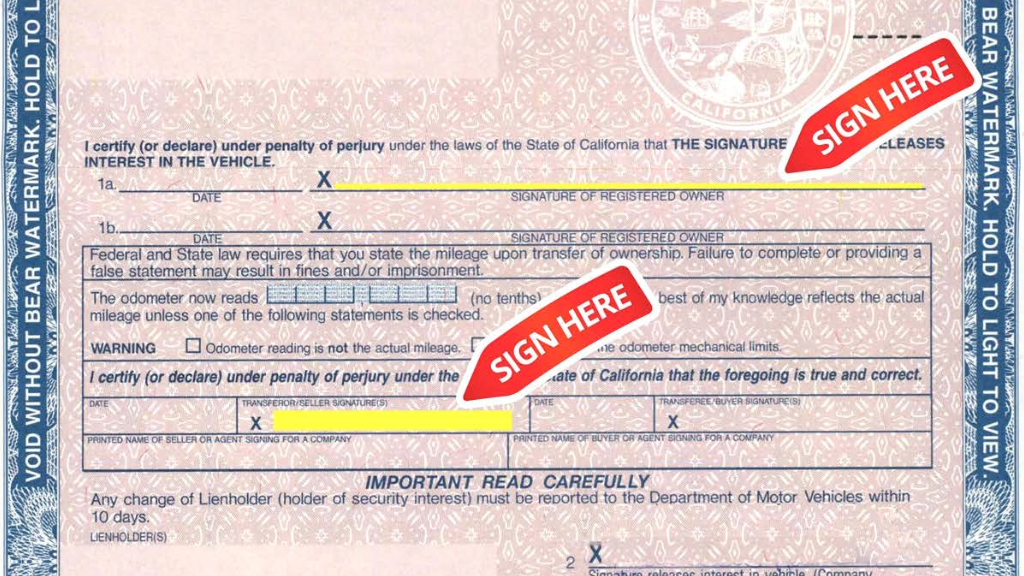
Proper documentation is essential. Make sure you receive:
Title: Proves ownership; it must be signed over to you.
Bill of Sale: Shows sale details — price, date, and signatures.
Odometer Disclosure: Required in many states to confirm mileage.
Warranty Documents: If included, understand what is covered.
Visit your local Department of Motor Vehicles (DMV) to complete registration and pay necessary fees.
Protect Yourself After the Purchase
Once you own the car:
- Insure it right away: Most states require proof of insurance before driving.
- Schedule routine maintenance: Early oil changes and servicing extend the vehicle’s life.
- Keep records: Maintain service and repair receipts for future reference or resale.
Common Mistakes to Avoid
Avoid these pitfalls:
- Skipping test drives
- Ignoring red flags in history reports
- Forgetting to compare prices
- Overlooking total ownership costs
Being cautious and thorough helps you avoid costly mistakes.
Final Thoughts
Buying a used car in America doesn’t have to be stressful. With careful planning, research, and a solid checklist, you can find a reliable vehicle that fits your lifestyle and budget. Take your time, inspect thoroughly, understand the paperwork, and negotiate confidently. A well‑chosen used car can serve you well for years — giving you mobility, independence, and value.