Urban transportation is rapidly evolving, and one of the most transformative trends in recent years has been the rise of car‑sharing services in American cities. From New York City to Los Angeles and Chicago to Denver, millions of people are choosing car‑sharing apps over traditional vehicle ownership. These services offer flexible, on‑demand access to cars without the cost and responsibility of owning one, while also supporting environmental sustainability and reducing traffic congestion. In this article, we explore why car‑sharing has become so popular, how it works, its benefits, challenges, and what the future might hold for American cities.
What Is Car‑Sharing?
Car‑sharing refers to services that allow individuals to rent vehicles for short periods — often by the hour or minute — through a mobile app. Users typically sign up for an account, verify their driver’s license, and book a car nearby. Once the trip is complete, they return the vehicle to a designated spot or within a service zone.
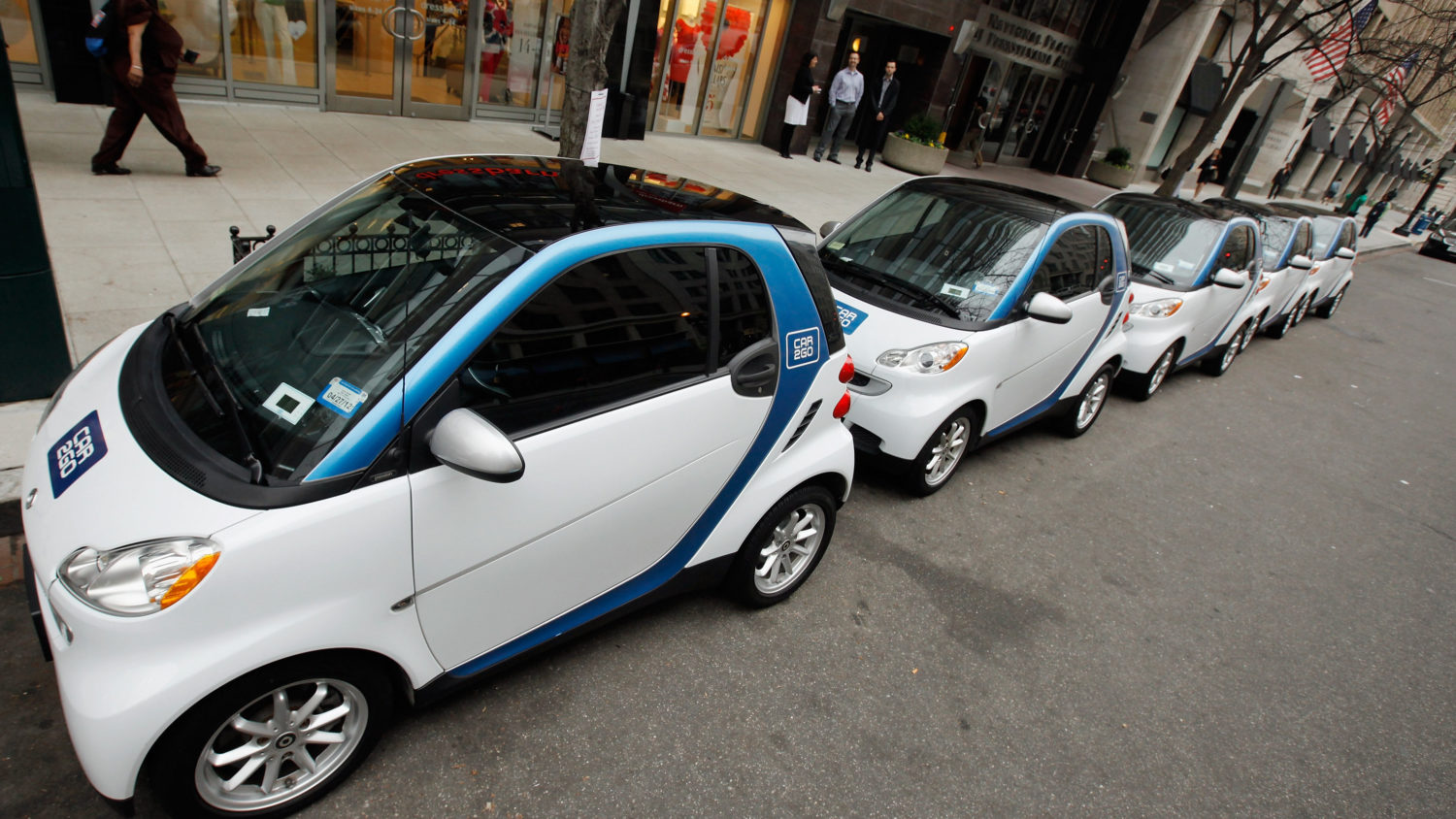
Unlike traditional rental cars, car‑sharing is designed for short, flexible trips — for commuting, errands, or occasional use. Major car‑sharing platforms in the U.S. include both free‑floating models (where users pick up and drop off anywhere within a zone) and station‑based models (where cars must be returned to specific locations).
Why Car‑Sharing Has Gained Traction
Several urban trends have fueled the rise of car‑sharing services in American cities:
1. Cost Savings Over Ownership
Owning a car is expensive. Between monthly payments, insurance, maintenance, fuel, and parking fees, the total cost adds up quickly. For many city dwellers — especially younger residents — car‑sharing is an affordable alternative to owning a car that may sit unused much of the time.
2. Growing Urban Populations
As more people move into cities, demand for efficient and flexible transportation options rises. Car‑sharing fills a gap between public transit, ridesharing, and owning a personal vehicle, giving people transportation without long‑term commitments.
3. Convenience and On‑Demand Access
With smartphone apps, users can find a car nearby, unlock it digitally, and pay seamlessly — making car‑sharing highly convenient for short trips, errands, or last‑minute plans.
4. Environmental Awareness
Car‑sharing has environmental benefits when implemented effectively. Shared vehicles can reduce the number of cars on the road, lowering emissions and congestion. Some services also use electric vehicles (EVs), further cutting carbon footprints.
How Car‑Sharing Works in Practice

Here’s a basic overview of how car‑sharing typically works:
- Sign Up: New users download an app, create an account, and upload required documents such as a driver’s license and payment method.
- Find a Vehicle: The app shows available vehicles nearby with details like fuel or battery level.
- Reserve or Unlock: Users reserve a car for a set time. Some platforms allow instant unlock without a reservation.
- Drive: After unlocking, the user drives the car for the period needed.
- Return: The vehicle is returned to a designated spot or anywhere within a defined zone, depending on the service model.
Benefits for Cities, Users, and the Environment
Affordability and Accessibility
Car‑sharing reduces the financial burden of vehicle ownership, especially for people who drive infrequently. Users pay only for the time and distance they need, without worrying about long‑term maintenance costs.
Reduced Traffic and Parking Demand
Shared vehicles can mean fewer cars on the road, easing traffic congestion and lowering demand for parking spaces — a major concern in dense urban environments. City planners often support car‑sharing as part of broader mobility strategies.
Sustainability and Lower Emissions
Studies have shown that car‑sharing can lead to reduced vehicle ownership rates and lower emissions — particularly when fleets include electric or hybrid vehicles. Less driving and more efficient trip planning help reduce fuel consumption and air pollution.
Complementing Public Transit
Car‑sharing complements public transit by offering convenient “last‑mile” solutions. For example, users might take a subway or bus and use a shared vehicle for the final leg of a trip, making door‑to‑door travel easier without owning a car.
Challenges and Considerations
Despite its advantages, car‑sharing faces several challenges:
1. Pricing and Accessibility
While cost‑effective for some, pricing models can be confusing or expensive for long trips. Ensuring equitable access across various neighbourhoods — especially underserved areas — remains a challenge.
2. Regulatory Complexities
Cities must balance car‑sharing growth with traffic management, parking regulations, and competition with traditional rental services. Policies differ widely across cities, making nationwide expansion complex for providers.
3. Fleet Management and Maintenance
Ensuring vehicles are clean, well‑maintained, and available where needed requires strong logistics and ongoing investment from service providers.
4. Competition with Other Mobility Options
Car‑sharing competes with rideshare services (like Uber and Lyft), public transit, biking, and micromobility options such as e‑scooters. Users may choose different modes depending on cost, convenience, and trip type.
The Future of Car‑Sharing in American Cities
As technology evolves, car‑sharing services are expected to become even more integrated into urban mobility networks:
- Electric Vehicle Integration: More car‑sharing fleets will include electric vehicles, supported by charging infrastructure and renewable energy programs.
- Autonomous Vehicles: Self‑driving technology could eventually play a role, enabling fleets of shared autonomous cars that reduce costs and improve access.
- Multi‑Modal Mobility Platforms: Apps may integrate car‑sharing with public transit, ride‑hailing, bike‑share, and schedule planners for seamless travel options.
Stories from the Streets
In many cities, residents have already embraced car‑sharing. In San Francisco, car‑sharing helps commuters access vehicles without congestion charges or parking hassles. In Washington D.C., programs extend services to suburban areas, connecting people to jobs and services without owning a car. These examples showcase how flexible transportation solutions support urban lifestyles and reduce reliance on private vehicles.
The rise of car‑sharing services in American cities reflects broader shifts in how people think about mobility, ownership, and sustainability. By offering flexible, affordable, and environmentally friendly options, car‑sharing has the potential to reshape urban transportation and support more livable cities. While challenges remain — such as equitable access, regulatory alignment, and competition with other mobility modes — the trend is likely to grow as technology and infrastructure evolve.
Whether you’re a daily commuter, occasional driver, or urban explorer, car‑sharing offers a smart way to move around America’s cities without the cost, stress, and responsibility of owning a car.