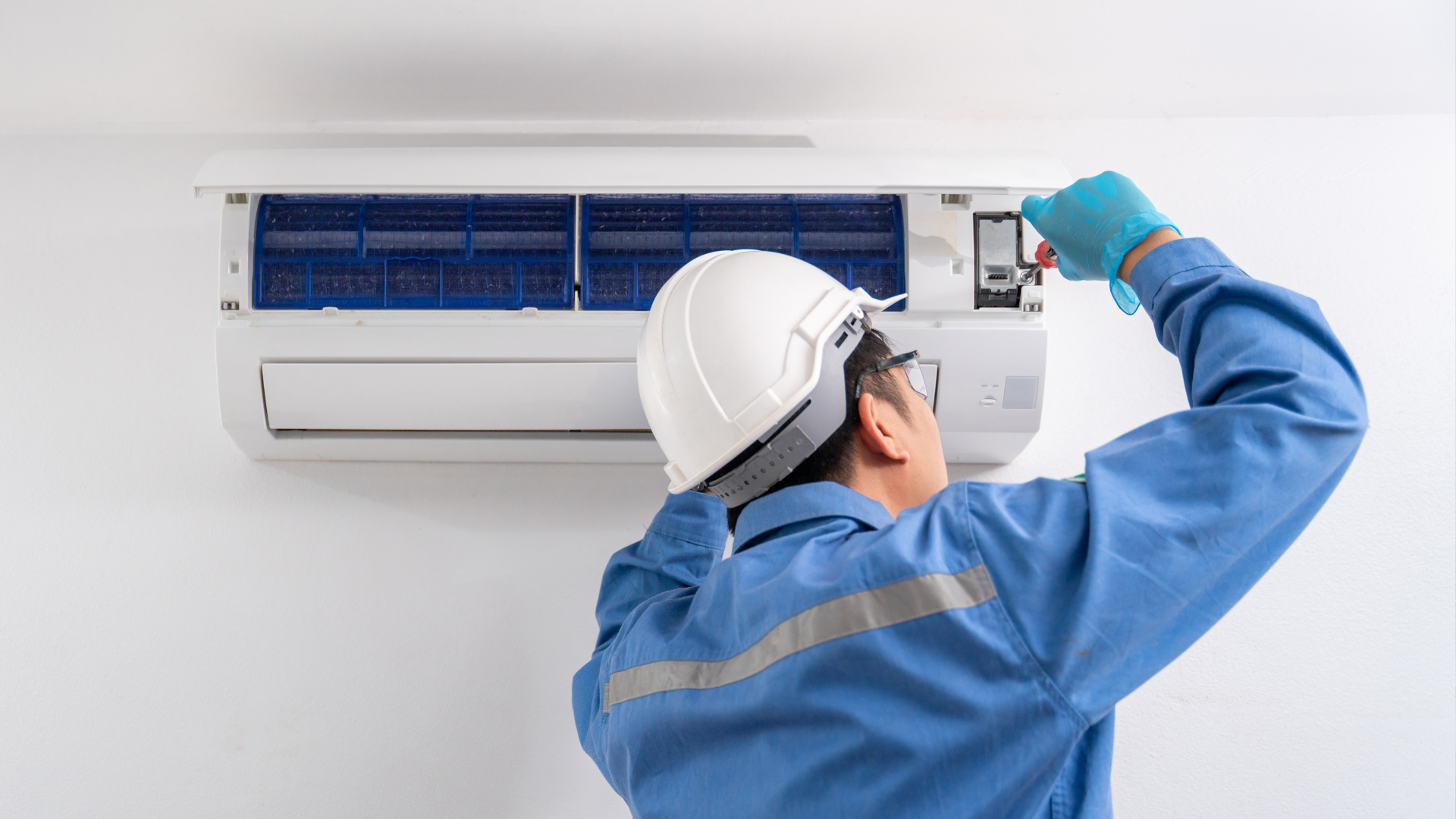
AC smells are more than a passing annoyance. They are early warning signs that your air conditioning system is reacting to changes in moisture, airflow, or internal buildup. When an air conditioner releases an unusual odor, it is often communicating that something inside the system needs attention. Understanding these signals can help prevent costly repairs, protect indoor air quality, and maintain a healthier living environment.
Modern air conditioning systems constantly manage air, humidity, and temperature. As air circulates, moisture naturally forms inside the unit. When that moisture fails to drain or dry properly, it creates conditions where odors develop. Over time, dust, organic particles, and residue interact with moisture and airflow, producing distinct AC smells that spread throughout indoor spaces. These smells often appear before performance issues become obvious.
Many people first notice AC smells when the system starts after being off for a while. Others notice a gradual change in indoor air quality that becomes harder to ignore. In both cases, the smell itself offers valuable clues. A musty odor may point to moisture buildup, while a sharp burning smell may indicate an electrical risk. Recognizing these differences allows faster and safer responses.
This article explains AC smells in detail, covering why they happen, what each odor means, and when professional intervention is necessary. By learning how to interpret these signals, homeowners and building occupants can make informed decisions, improve comfort, and reduce long-term system damage.
Why AC Smells Occur in Air Conditioning Systems
AC smells develop where air, moisture, and contaminants meet. Air conditioners remove humidity from indoor air as part of the cooling process. This moisture collects on components such as the evaporator coil and drain pan. When drainage is incomplete or airflow is limited, moisture lingers and creates an environment where odors form.
Dust, pet dander, pollen, and other particles are drawn into the system during normal operation. Over time, these materials settle on damp surfaces. As airflow passes over them, odors are released and distributed through vents. This process explains why AC smells often affect the entire building rather than a single room.
In some cases, external factors contribute to AC smells. Nearby vents, shared ductwork, or adjacent systems can introduce residue that becomes trapped inside the unit. Once inside, the air conditioner amplifies and spreads the smell, making it more noticeable.
Why AC Smells Appear When You Turn the System On
When AC smells appear immediately after startup, the odor usually developed while the system was inactive. During downtime, moisture remains on internal components, especially in humid conditions. Dust and organic material settle, creating a concentrated source of odor.
Once the system starts, airflow pushes that built-up smell into the living space all at once. This effect is similar to opening a closed, damp room. Startup odors often indicate that moisture is not fully draining or drying during off cycles.
Although startup AC smells can seem alarming, they often point to maintenance issues rather than system failure. However, recurring startup odors should not be ignored, as they may worsen over time.
What a Musty AC Smell Indicates
A musty AC smell is one of the most common complaints and is almost always linked to excess moisture. Mold or mildew may be present on the evaporator coil, in the drain pan, or along internal insulation. These areas stay damp longer than other parts of the system.
When moisture lingers, it creates conditions where odor-producing organisms thrive. As air passes over affected surfaces, the musty smell spreads through the ductwork. This type of AC smell does not necessarily mean the entire system is contaminated, but it does indicate improper moisture management.
Addressing a musty AC smell early helps prevent deeper contamination and reduces the risk of odors becoming embedded in filters or ducts.
Why AC Smells Become Stronger Over Time
When AC smells gradually intensify, the underlying issue is usually ongoing moisture retention. Small drainage problems or airflow imbalances allow damp conditions to persist. Dust continues to collect, and odors become stronger as organic growth spreads.
Over time, insulation and filters may absorb odors, making them harder to remove. This is why AC smells rarely resolve without intervention. Even if cooling performance appears normal, lingering odors signal that moisture control is failing.
Understanding a Mildew Smell From AC Systems
A mildew smell from AC systems is stronger and more defined than a general musty odor. It suggests active biological growth rather than simple dampness. This often occurs when organic debris accumulates on coils or filters that remain wet between cycles.
Oversized systems are more prone to mildew smells because they cool spaces too quickly. Short run times reduce moisture removal, leaving internal components damp. In humid environments, this condition accelerates odor development.
Once a mildew smell appears, cleaning affected components becomes necessary. Filter replacement alone is usually insufficient.
Why AC Air Smells Damp or Stale
When AC air smells damp or stale, the system may be recirculating air without adequate drying. Poor airflow, short cycling, or constant low-power operation can prevent moisture from being fully removed.
Stale AC smells often feel heavy rather than fresh. This sensation indicates lingering humidity rather than temperature issues. Improving airflow and addressing cycling patterns helps restore balanced indoor air quality.
An AC smell almost always means something is building up where air, moisture, and dust meet, sometimes including residue from nearby systems like dryer vents that haven’t had regular dryer vent cleaning.
Many homeowners notice their AC air smells unpleasant during startup after long periods without use, during high humidity days, or when switching between cooling and heating systems.
What a Burning AC Smell Means
A burning AC smell is a serious warning and requires immediate attention. It may indicate overheating electrical components, failing motors, or damaged wiring insulation. These smells often have a sharp or plastic-like quality.
If a burning smell persists, the system should be turned off immediately. Continued operation poses a fire risk. Professional inspection is essential to identify and resolve the cause safely.
Why AC Smells Like Vinegar or Sour Odors
When AC smells resemble vinegar, the source is usually bacterial growth or chemical reactions inside the system. Condensate lines, dirty coils, or residue from cleaning agents can produce sour odors.
Unlike food smells, vinegar-like AC smells originate internally. Persistent sour odors indicate the need for thorough cleaning rather than simple filter changes.
What Causes General AC Smells Indoors
Most AC smells share a common origin. Contaminants meet moisture and airflow inside the system. These contaminants may include dust, mold spores, bacteria, pests, or deteriorating materials.
The air conditioner itself does not create odors. Instead, it spreads whatever is present inside it throughout the building. This amplification effect makes AC smells noticeable and persistent.
What It Means When AC Smells Like Rotten Eggs
When AC smells resemble rotten eggs, immediate caution is required. This odor may indicate a natural gas leak near the system, sulfur-producing bacteria in standing water, or a dead animal in ductwork.
If gas is suspected, occupants should leave the area immediately and contact emergency services or the gas provider. Safety takes priority, and troubleshooting should not be attempted in these situations.
Health and Safety Concerns Linked to AC Smells
Certain AC smells affect comfort, while others pose health risks. Mold and mildew odors may worsen respiratory conditions. Electrical smells present fire hazards. Gas-related odors carry serious safety implications.
Prompt identification and response reduce risks. Regular maintenance and inspections play a key role in preventing harmful conditions from developing unnoticed.
How to Reduce and Prevent AC Smells
Preventing AC smells focuses on moisture control and cleanliness. Regular filter replacement improves airflow and reduces debris accumulation. Ensuring condensate lines drain properly prevents standing water.
Professional inspections help identify early signs of buildup or electrical wear. Addressing small issues early prevents odors from spreading and becoming more difficult to remove.
Charges for AC Odor Inspection and Repair
Costs associated with addressing AC smells vary based on severity and required services. Basic inspections typically involve standard service fees. Cleaning coils, clearing drain lines, or replacing filters may incur additional charges.
Electrical repairs or ductwork remediation increase costs depending on complexity. While fees vary by location and provider, early intervention generally reduces overall expenses by preventing major system damage.
When Professional Help Is Necessary for AC Smells
Not all AC smells require professional service, but certain signs should prompt immediate assistance. Persistent odors, burning smells, and sulfur-like odors indicate risks beyond routine maintenance.
Professionals have the tools and training to diagnose internal issues safely. Their intervention ensures system reliability and protects indoor air quality.
Why Understanding AC Smells Matters
AC smells provide valuable insight into system health. Interpreting these signals helps maintain efficiency, comfort, and safety. By responding promptly, occupants can extend system lifespan and avoid unnecessary disruptions.