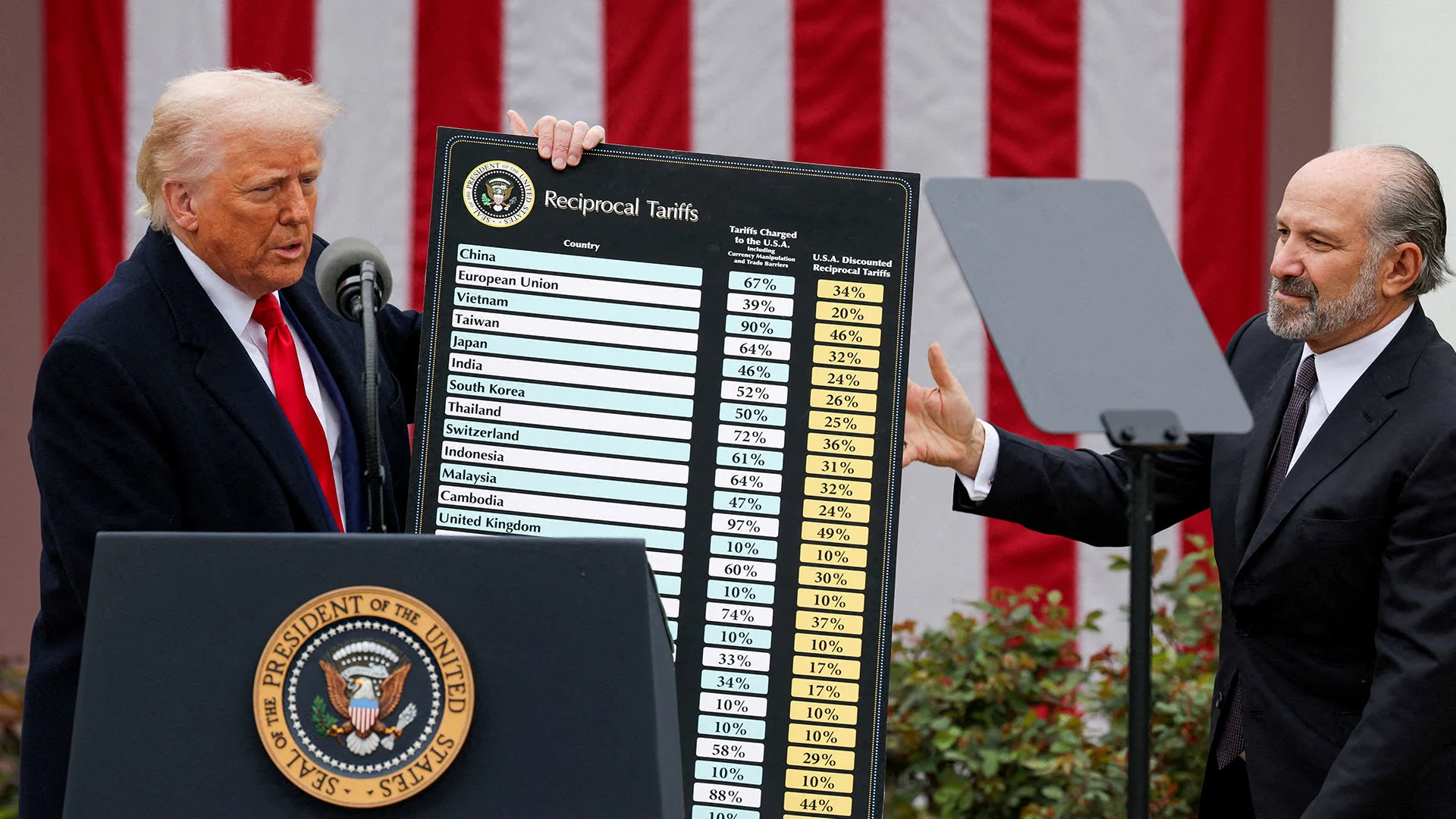
The U.S. tariff impact is becoming increasingly visible as small businesses across Canada, Australia, and other countries face rising costs and falling orders from American customers. With the removal of the long-standing de minimis exemption — which previously allowed goods under $800 to enter the U.S. duty-free — both shoppers and sellers are now feeling the strain during the busiest shopping period of the year.
Before the policy change, many small retailers could ship to the U.S. with minimal fees and fast customs clearance. Today, the same shipments face added brokerage fees, state taxes, and tariffs that significantly inflate buyers’ final costs. The new rules have shocked customers and left small businesses scrambling to adapt.
U.S. Tariff Impact on Consumer Behavior
For many shoppers, unexpected tariff bills are deterring cross-border purchases. Buyers who once freely ordered handmade goods, specialty items, or niche products from Canadian and overseas sellers now hesitate, concerned about suddenly paying extra fees upon delivery. Businesses report customers abandoning carts, disputing charges, or shifting purchases to domestic U.S. retailers.
U.S. Tariff Impact on Small Business Revenue
International sellers, particularly those on Etsy and independent websites, say their U.S. sales have dropped sharply. Some report declines of more than 70 percent. Others are absorbing the duties themselves to maintain customer loyalty—an option many small businesses cannot afford. Profit margins are already tight, and covering U.S. tariffs often results in losses.
U.S. Tariff Impact on Shipping Strategies
With postal services and couriers adjusting procedures, shipping has become unpredictable and costly. Some postal carriers suspended U.S. deliveries temporarily due to the confusion. Sellers are now experimenting with alternative shipping providers, higher rates, or prepaid duty tools, though these add complexity and new expenses.
A Push Toward Market Diversification
Many small businesses are now pivoting to domestic customers or exploring new markets in Europe and Asia. Others are investing in social media campaigns, expanding product lines, or using U.S.-based print-on-demand services to avoid cross-border charges altogether.
Despite the challenges, many entrepreneurs see the disruption as a necessary push toward resilience and diversification. But for now, the U.S. tariff impact continues to reshape holiday shopping and cross-border commerce in real time.