As the United States enters 2026, its economy continues to evolve with new challenges and opportunities. With a GDP exceeding $25 trillion, the U.S. remains the largest economy in the world. However, maintaining this status requires constant innovation and adaptation. In 2026, several sectors are emerging as the biggest promoters of economic growth, creating new jobs, driving innovation, and fostering global competitiveness.
This article delves into the major economic drivers of the U.S. economy in 2026, highlighting key industries that are not only supporting current growth but also shaping the future of American prosperity. From technology to clean energy, and from financial services to healthcare, these sectors are positioning the U.S. to maintain its economic leadership.
1. Technology and Artificial Intelligence (AI)
The technology sector has long been a driving force in the U.S. economy, but in 2026, artificial intelligence (AI) is at the forefront of transforming industries across the board. AI’s influence is pervasive, from consumer devices and software applications to healthcare diagnostics and financial trading algorithms.
Key Drivers of AI Growth
The rapid development of machine learning, robotics, natural language processing, and autonomous systems has led to an explosion of AI applications. Companies like Google, Microsoft, and NVIDIA are leading the charge in AI development, powering sectors such as healthcare, manufacturing, transportation, and entertainment.
AI is expected to contribute over $15 trillion to the global economy by 2030, with the U.S. poised to capture a significant share of this growth. In particular, AI research and data analytics have become major growth areas in cities like San Francisco, Austin, and Seattle. The U.S. government is also investing heavily in AI innovation through initiatives like the National AI Initiative Act and the Department of Energy’s AI research programs, aiming to ensure that the country leads in both AI development and its ethical use.
Impact on Employment and Productivity
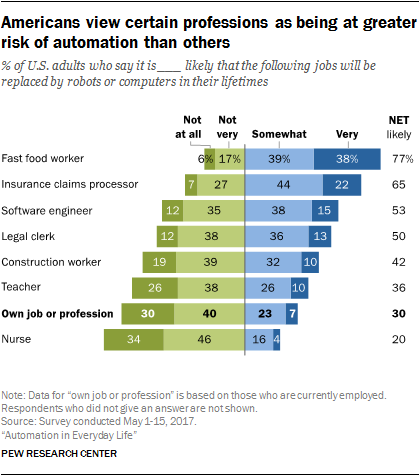
AI is also transforming the labor market. While some jobs are being automated, new roles in AI programming, data science, and cybersecurity are being created. Additionally, AI is increasing productivity across many sectors, reducing costs, and enabling businesses to deliver more efficient and personalized products and services.
2. Healthcare and Biotech
The healthcare sector, particularly biotechnology, is one of the fastest-growing economic promoters in the U.S. The COVID-19 pandemic highlighted the importance of public health and led to an acceleration of innovations in biotech and pharmaceuticals. In 2026, healthcare remains a significant driver of the economy, bolstered by advancements in genomics, mRNA technologies, and personalized medicine.
Key Drivers of Healthcare Growth
The demand for healthcare services continues to rise as the U.S. population ages and healthcare costs increase. Biotech companies are revolutionizing treatments for conditions such as cancer, Alzheimer’s, and rare genetic diseases. Innovations in gene editing, CRISPR technology, and biopharmaceuticals are creating new markets and expanding existing ones.
For example, companies like Moderna and Pfizer, which became household names due to their COVID-19 vaccines, continue to push the envelope in vaccine development, cancer treatments, and infectious disease management. These innovations are not only improving public health but also generating billions of dollars in economic activity.
Additionally, the healthcare infrastructure in the U.S. is expanding, driven by the demand for telemedicine, health insurance, and medical devices. The telehealth industry alone is expected to reach $185 billion by 2026, as more Americans opt for convenient, remote healthcare services.
3. Financial Services and Capital Markets
Financial services remain one of the core pillars of the U.S. economy in 2026, driven by the robust capital markets, investment banking, and insurance industries. The U.S. stock market continues to serve as a barometer for global economic health, with major exchanges like the New York Stock Exchange (NYSE) and Nasdaq playing critical roles in facilitating investment and capital flows.
Prominent Areas of Financial Growth
The U.S. is the world’s leader in financial innovation, particularly with regard to cryptocurrencies and blockchain technology. In 2026, cryptocurrencies like Bitcoin and Ethereum are increasingly being accepted by major institutions, governments, and consumers, reshaping the financial landscape. U.S. companies and investors are at the forefront of crypto mining, decentralized finance (DeFi) applications, and blockchain innovations, providing both economic growth and technological leadership.
Additionally, the FinTech sector, which includes online payment systems, peer-to-peer lending, and investment apps like Robinhood, is thriving. These innovations are disrupting traditional financial services, providing consumers with more accessible and affordable financial solutions.
Impact on Global Trade
As the largest financial hub in the world, the U.S. also benefits from global trade flows and investment. Foreign direct investment (FDI) continues to pour into U.S. financial markets, enhancing the country’s economic position and fueling future growth in capital markets.
4. Clean Energy and Renewable Technologies
As global concerns about climate change intensify, the U.S. is investing heavily in clean energy and renewable technologies. This sector is a major driver of economic growth, particularly as the world shifts away from fossil fuels toward sustainable energy sources.
Growth of Renewable Energy
In 2026, the U.S. is leading the charge in solar, wind, and geothermal energy production. The solar energy industry alone is expected to contribute significantly to U.S. GDP, with millions of solar panels installed across residential, commercial, and industrial sites. As the costs of clean energy technologies continue to decline, renewable energy is becoming more competitive with traditional energy sources.
The U.S. government is also promoting clean energy initiatives through policies such as the Clean Energy Incentive Program (CEIP), which encourages the development of renewable energy projects. Additionally, the electric vehicle (EV) industry is booming, with companies like Tesla, Rivian, and Lucid Motors pushing the envelope on sustainable transportation. These advancements are creating jobs, reducing emissions, and reducing reliance on oil imports, contributing to both economic and environmental benefits.
5. Manufacturing and Reshoring
The U.S. manufacturing sector is experiencing a renaissance, driven by the reshoring trend. After decades of offshoring manufacturing jobs, American companies are bringing production back to the U.S., motivated by rising labor costs overseas, the need for better quality control, and the desire to shorten supply chains.
Key Drivers of Reshoring
The manufacturing sector in the U.S. is expected to grow in 2026 due to innovations in automation, robotics, and advanced manufacturing techniques. The adoption of Industry 4.0 technologies—such as 3D printing, smart factories, and IoT (Internet of Things)—is making U.S. manufacturers more competitive globally.
The automotive industry, in particular, is seeing significant growth with the increase in electric vehicle production and battery manufacturing. This shift towards clean energy vehicles is helping to revitalize the manufacturing sector and create millions of new jobs.
6. Real Estate and Construction
The real estate and construction sectors are also major economic drivers, particularly in urban development and the housing market. As the U.S. continues to experience rapid population growth, particularly in metropolitan areas, the demand for housing, commercial properties, and infrastructure projects is expected to rise.
Real Estate Trends
Smart cities, affordable housing projects, and green building technologies are helping to shape the future of real estate. These innovations are creating new jobs and attracting investment to major urban centers.
In 2026, the U.S. economy is fueled by a combination of established sectors like financial services, healthcare, and manufacturing, alongside emerging industries like clean energy and artificial intelligence. These sectors not only support growth and innovation but are creating new job opportunities and reshaping the future of American industry. The U.S. remains at the forefront of global economic activity, thanks to its diverse and dynamic economy.
With continued investment in technology, sustainable energy, and manufacturing, the United States is poised for sustained growth in the coming decades. The success of these key sectors will play a significant role in maintaining the country’s position as the world’s economic leader.