In a recent statement, Bank of America CEO Brian Moynihan projected that the US economy would grow at a rate of 2.8% in 2026, signaling optimism despite the challenges of inflation, interest rates, and global economic uncertainties. The forecast offers a positive outlook for the country’s economic resilience, especially as it navigates through ongoing transitions in the post-pandemic era.
As the global economy faces volatility and inflationary pressures, this prediction from one of the nation’s leading financial institutions highlights the strength of the US economy and its ability to adapt and grow. In this article, we explore the factors contributing to the anticipated growth, the key drivers of economic expansion, and potential challenges that could impact the outlook for 2026.
US Economic Outlook for 2026
Bank of America’s forecast of 2.8% growth for the US economy in 2026 comes amid a period of economic recovery and adjustment. While the global economy is still grappling with the fallout from the COVID-19 pandemic, the US has demonstrated a remarkable ability to rebound. Growth in 2026 is expected to be driven by a combination of consumer spending, business investments, government policy, and technological advancements.
Economic Resilience Post-Pandemic
The US economy showed signs of resilience after the disruptions caused by the COVID-19 pandemic. With the rollout of vaccines, fiscal stimulus measures, and the reopening of businesses, the country saw a strong recovery in 2021 and 2022. While inflation has been a persistent challenge, the economy has remained on a stable trajectory, supported by robust consumer demand and a rebound in key sectors like technology, healthcare, and manufacturing.
Key Drivers of 2026 Growth
Several factors are expected to drive the projected 2.8% growth rate in 2026. Bank of America’s CEO pointed to the following drivers that will continue to contribute to the nation’s economic expansion:
1. Consumer Spending
Consumer spending is expected to remain a significant driver of economic growth. Despite concerns about inflation, US consumers have shown strong demand for goods and services. Increased disposable income, fueled by a competitive job market and wage growth, is likely to continue supporting consumer confidence and spending in 2026. With consumer-driven sectors like retail, hospitality, and leisure rebounding, the economy will benefit from sustained consumption levels.
2. Business Investments
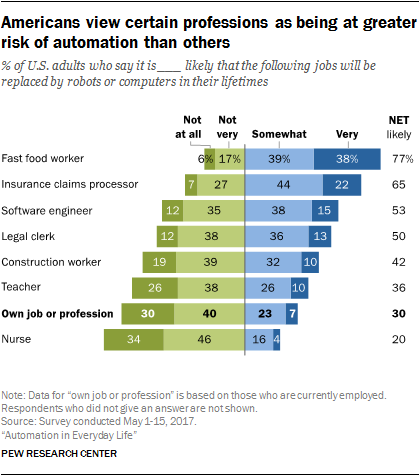
Business investments are also poised to grow, with companies increasingly focused on innovation and technology adoption. From artificial intelligence and automation to clean energy technologies, businesses are expected to continue investing in capital expenditures to improve efficiency and expand operations. The US has long been a leader in technology, and continued investments in this sector are likely to propel growth in industries such as tech, manufacturing, and biotechnology.
3. Government Policies and Infrastructure Spending
The US government’s infrastructure initiatives, such as the Infrastructure Investment and Jobs Act, are expected to contribute to economic growth by creating jobs and boosting economic activity. Investments in transportation, broadband, clean energy, and housing are expected to enhance the country’s competitiveness and create long-term growth opportunities. These policies will likely continue to support the economy’s recovery and provide a foundation for sustainable growth in 2026.
4. Global Trade and Export Growth
As global trade continues to recover, the US economy is expected to benefit from an increase in exports. While trade tensions and geopolitical factors present ongoing risks, stronger global demand for American goods and services, particularly in industries like technology, agriculture, and defense, should bolster the country’s trade position. The Biden administration’s efforts to strengthen international partnerships and trade agreements will likely play a role in supporting growth in the export sector.
The Role of Technology and Innovation
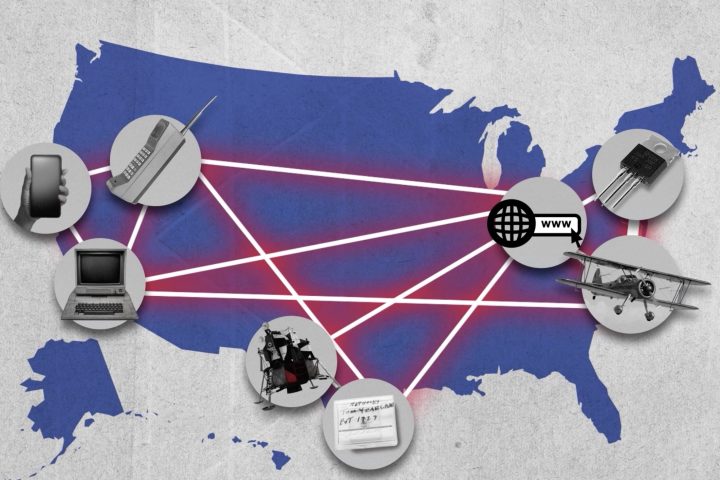
Technology and innovation are central to the US economic growth forecast for 2026. The tech sector has been a consistent engine of growth, contributing to productivity gains and the development of new industries. With continued advancements in AI, machine learning, cloud computing, and renewable energy, the US is well-positioned to lead the way in the next wave of technological innovation. These sectors will not only drive economic growth but also provide opportunities for new job creation and economic diversification.
Potential Challenges to Economic Growth
While the outlook for 2026 is positive, there are several challenges that could hinder the US economy’s growth trajectory. These include inflation, interest rates, and external economic pressures.
1. Inflationary Pressures
Inflation remains one of the biggest challenges facing the US economy. Although inflation has moderated since its peak in 2022, it continues to impact consumers and businesses. The rising cost of goods, services, and energy has led to higher living expenses, affecting consumer behavior. If inflationary pressures persist, the Federal Reserve may need to implement additional interest rate hikes, which could dampen consumer spending and business investment.
2. Interest Rates and Monetary Policy
The Federal Reserve’s monetary policy will play a crucial role in determining the pace of economic growth in 2026. Higher interest rates, which have been used to combat inflation, can have a cooling effect on the economy by making borrowing more expensive. If the Fed continues to raise rates, it could slow down economic activity by reducing demand for housing, cars, and other big-ticket items. Businesses may also pull back on investments due to higher financing costs.
3. Global Economic Uncertainties
Global economic conditions, including supply chain disruptions, energy prices, and geopolitical tensions, could pose risks to US growth in 2026. For instance, the ongoing war in Ukraine, rising commodity prices, and trade tensions with China could create instability in global markets, affecting US exports and causing volatility in financial markets. These external factors could also contribute to higher costs and slower growth.
Conclusion
Bank of America’s forecast of 2.8% US economic growth in 2026 reflects a sense of cautious optimism for the future, highlighting the resilience of the US economy in the face of global uncertainties. Strong consumer spending, business investments, infrastructure spending, and technological advancements will likely drive the economy forward, but challenges like inflation, interest rates, and geopolitical risks must be carefully monitored.
As we move into 2026, the US economy appears well-positioned to continue its recovery and expansion, though the path forward will require strategic management of economic policies and external pressures. Whether the growth forecast materializes as expected will depend on how effectively policymakers can balance inflation control with economic stimulation and address the challenges posed by global instability.