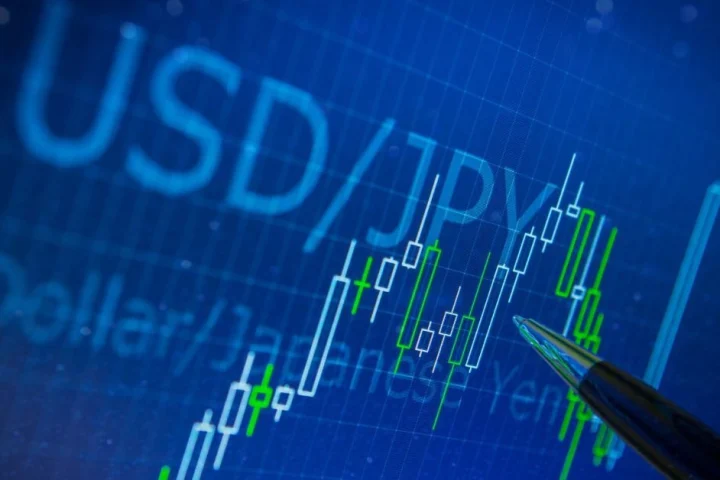
The U.S. Dollar Decline 2026 is shaping up to continue despite signs of stabilization as 2025 ends. The dollar dropped 9% in 2025, marking its worst performance in eight years. This drop stems from expectations of Federal Reserve rate cuts and concerns over U.S. fiscal deficits and political uncertainty. As 2026 approaches, many investors expect the dollar to weaken further as global growth accelerates and the Fed eases its policies.
Dollar Decline and Investor Outlook for 2026
Trump’s tariffs and the shrinking interest rate differential caused the dollar’s steep drop. The Federal Reserve’s plan to cut rates reduced the attractiveness of dollar-denominated assets. As a result, investors expect the dollar to weaken further. The new Fed chair, expected to take office, is likely to steer the Fed towards a more dovish stance. This shift could create additional downward pressure on the dollar.
The Dollar’s Impact on Global Markets
A weaker dollar provides several advantages for U.S. multinationals. It boosts the value of overseas revenues when converted back to dollars. This increase in value makes international markets more appealing by offering an FX benefit that complements the underlying asset performance. Despite a recent rebound, FX strategists still predict a weaker dollar in 2026, according to a Reuters survey conducted from Nov. 28 to Dec. 3, 2025.
The dollar index, a measure of the currency’s strength against a basket of global currencies, rose by nearly 2% from its September low. However, many analysts continue to forecast a weaker dollar in 2026.
Global Growth and the Dollar’s Future
Many analysts believe that the dollar will weaken as global growth rates converge. Investors expect the U.S. advantage to shrink as other major economies gain momentum. Germany’s fiscal stimulus and China’s policy support are expected to help reduce the U.S. growth premium that has supported the dollar in recent years.
Paresh Upadhyaya, director of fixed income and currency strategy at Amundi, explained, “When the rest of the world starts to look better in terms of growth, that’s favorable for the dollar to continue to weaken.” As other economies improve, the dollar will likely lose its strength.
The Fed’s Actions and Their Impact on the Dollar
The Fed’s future actions will play a major role in the dollar’s direction. If the Fed continues to cut rates while other central banks hold or raise rates, the dollar will face additional challenges. Trump’s push for a new Fed chair has led to speculation that the Fed will adopt a more accommodative stance. This would further weaken the dollar.
In contrast, the European Central Bank (ECB) is expected to keep its rates steady in 2026. While a rate hike isn’t completely ruled out, the ECB’s current policy stance provides little support for the dollar.
The Near-Term Rebound and Longer-Term Weakness
Some analysts still expect a short-term rebound for the dollar. Investor enthusiasm for artificial intelligence and strong capital flows into U.S. equities could provide temporary support. Additionally, the U.S. government’s reopening and tax cuts passed in 2025 could provide a boost to the economy and lift the dollar in the first quarter of 2026.
However, most analysts are not optimistic that these factors will provide long-term support. Brandywine Global’s Anujeet Sareen said, “We’re inclined to think that that’s not likely a sustained driver of the dollar for the year.” Despite the possible short-term support, the long-term outlook for the dollar remains negative.